
Understanding Tenant Rights Under Adverse Possession Law
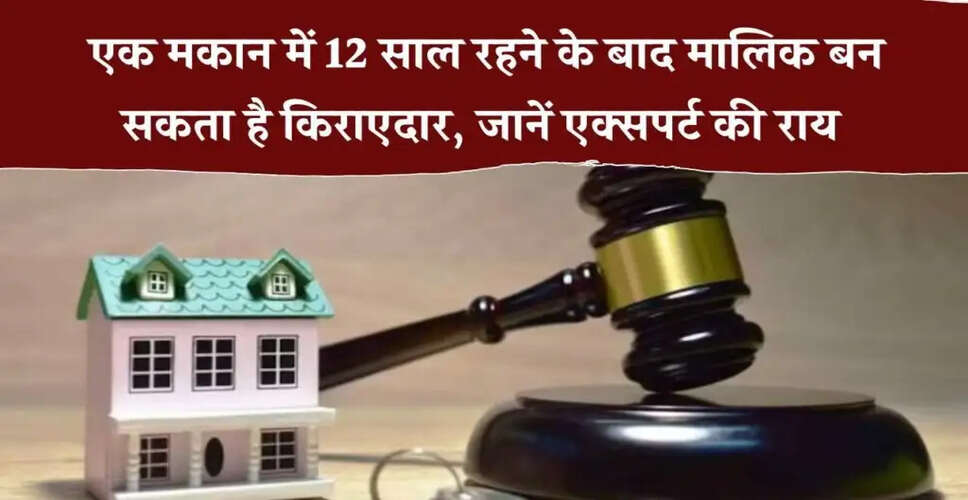

Tenant Rights in Major Cities

In bustling cities like Mumbai and Delhi, landlords often rent out their extra properties to create a steady income stream. This not only generates additional revenue but also ensures that vacant properties are maintained. However, many landlords are unaware that if a tenant resides in a property for an extended period without objection, they may claim ownership under the Adverse Possession Act.
Claiming Rights Under Adverse Possession
According to Indian law, if an individual continuously occupies a property for 12 years without any legal objection from the landlord, they can acquire ownership rights. This process is known as Adverse Possession. Importantly, such a claim is only valid if the tenant can provide evidence of their presence, such as utility bills or property tax receipts.
Risks for Landlords in High-Value Areas
In metropolitan areas where property values are soaring, this situation poses a significant risk. If landlords remain inactive for years or allow tenancy to continue without proper documentation, they may face the danger of permanent occupation of their property.
Protecting Your Property as a Landlord
The first step for landlords is to formalize the tenancy legally. Every rental agreement should be established under a Registered Rent Agreement for at least 11 months, with regular renewals. This agreement creates a clear and legal relationship between the landlord and tenant, providing legal protection later.
Importance of Tenant Background Checks
Before initiating a tenancy, it is crucial to conduct a background check on the tenant. Landlords should ensure that the tenant does not have a criminal record or history of fraud. Once the tenancy begins, periodic inspections of the property are essential to check for any unauthorized alterations or illegal constructions.
Avoiding Illegal Occupation
To safeguard the property, it is vital to keep all legal documents updated. Files such as Property Tax, Electricity Bills, and Ownership Title Deeds should be secure and readily available. Additionally, landlords should regularly visit the property and maintain contact with local authorities to prevent any encroachments.
What to Do If a Tenant Refuses to Vacate?
If a tenant refuses to vacate the premises, the landlord should first send a legal notice. This notice must comply with the Indian Civil Procedure Code. If the tenant still does not comply, the landlord should file a complaint with the police and submit an Eviction Petition in Civil Court. It is important to remember that cutting off electricity or water supply may be illegal and could lead to legal action from the tenant.