
Understanding Radiation Risks from Potential Attacks on Iran's Nuclear Facilities
As tensions rise between the U.S., Israel, and Iran, concerns about potential nuclear attacks on Iranian facilities have emerged. Experts indicate that while the risk of lethal radiation reaching India is low, lighter radioactive particles could travel to northern regions. This article delves into the distance radiation can spread, the countries most at risk, and the Indian government's preparedness. Understanding these dynamics is crucial for assessing the broader implications of the conflict. Stay informed about the potential environmental and health impacts as the situation evolves.
| Mar 30, 2026, 14:37 IST
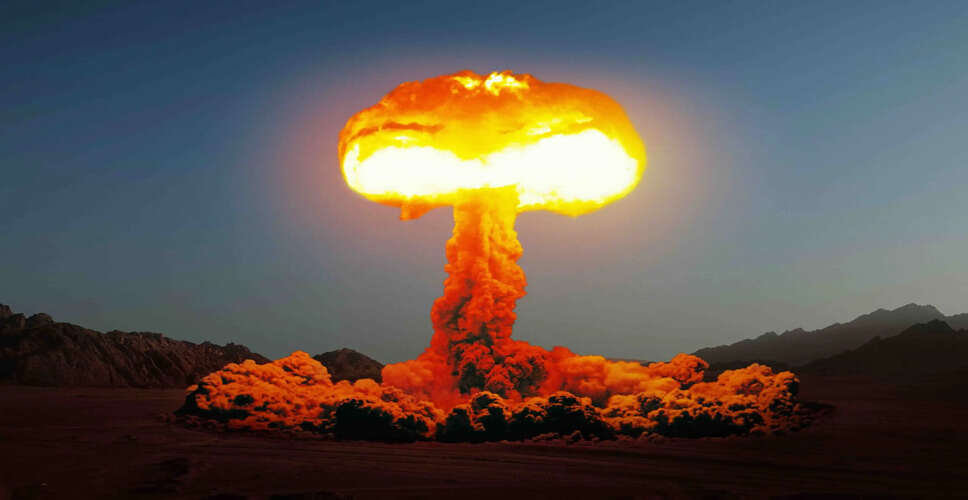

Assessing the Radiation Threat from Iran's Nuclear Sites
In the ongoing conflict between the United States, Israel, and Iran, concerns arise regarding the potential for nuclear attacks on Iranian facilities. Experts suggest that while the risk of lethal radiation reaching India is minimal, there is a possibility that lighter radioactive particles could travel through the air to northern India.
How Far Can Radiation Spread?
- Distance Factor: Major Iranian nuclear sites (Natanz, Fordow, Isfahan, Bushehr) are located approximately 2000-2500 kilometers from India's western border. Heavier radioactive particles, such as Strontium-90 and Cesium-137, tend to settle within a few hundred kilometers.
- Wind Patterns: The subtropical jet stream and prevailing westerlies can carry radioactive dust from Afghanistan and Pakistan to northern India (Punjab, Haryana, Delhi, Rajasthan, Gujarat) within 48-72 hours.
- Scientific Insights: Experts believe that at such distances, harmful levels of radiation are unlikely to reach. Only highly diluted radioactive traces may arrive, which would not pose immediate health risks.
Countries Most at Risk
- Iran: Faces the highest risk, with potential local fatalities and long-term contamination of land and water.
- Gulf Nations: An attack on the Bushehr Nuclear Power Plant could lead to radiation spreading in the Persian Gulf, affecting countries like the UAE, Qatar, Bahrain, Saudi Arabia, and Kuwait, potentially shutting down desalination plants.
- Afghanistan and Pakistan: Moderate risk in border areas, with light radiation and environmental impacts.
- India: Very low risk, with light particles possibly reaching northern regions (Jaipur, Delhi, Amritsar, Punjab). There is no immediate acute radiation sickness expected, but long-term monitoring of soil, water, and crops is essential.
- Central Asia (e.g., Turkmenistan): Risk depends on wind direction.
Expert Opinions
- According to the IAEA and international experts, attacks on Iran's enrichment plants (Natanz, Fordow) would result in only limited local pollution. A significant threat would arise only from attacks on power plants like Bushehr.
- Reports indicate that India's geographical distance provides a safety buffer, although there could be economic and environmental impacts (oil prices, imports).
Preparedness of the Indian Government
- The National Disaster Management Authority (NDMA) and DRDO are on alert.
- Radiation monitoring has been intensified in Rajasthan, Gujarat, and Punjab.
- Public advisory: Stay calm but keep an eye on news updates.
Conclusion
In the event of a nuclear bomb or major attack in Iran, the risk of lethal radiation affecting India is negligible. The primary threat lies with the Gulf nations and Iran's immediate neighbors. Nonetheless, it is crucial to monitor wind patterns.
Recommendations:
- Follow guidelines from NTPC, BARC, and the health ministry.
- Exercise caution regarding goods and oil imports from the Persian Gulf.