
Understanding Pulses and Their Impact on Diabetes Management
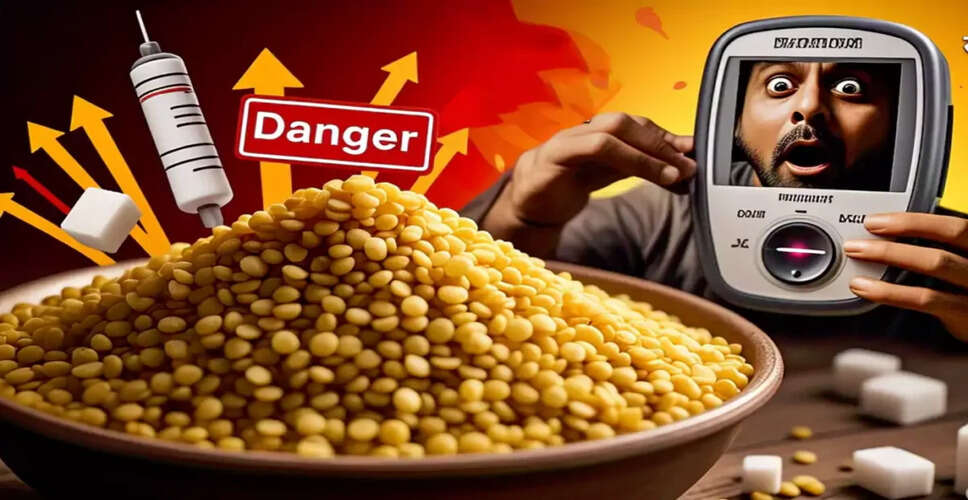

Pulses and Diabetes: A Cautionary Approach

Impact of Pulses on Diabetes: Diabetes is a serious condition that requires careful attention to diet and lifestyle. Choosing the right foods is crucial for individuals managing diabetes.
While pulses are generally nutritious, certain types can lead to increased blood sugar levels. This article will explore which pulses should be consumed with caution by those with diabetes.
1. Arhar (Toor) Dal
Arhar dal is rich in protein and other nutrients, but it also contains a high amount of carbohydrates. It ranks high on the glycemic index (GI), which can cause a rapid spike in blood sugar levels. Diabetic patients should consume this dal in limited quantities or as advised by their healthcare provider.
2. Chana Dal
Chana dal is also high in carbohydrates. Excessive consumption can affect glucose levels in the blood. If you wish to include chana dal in your diet, it is advisable to pair it with other vegetables to mitigate its impact.
3. Masoor Dal
Masoor dal is a good source of protein but falls into the category of medium glycemic index pulses. Overconsumption can disrupt blood sugar balance.
4. Urad Dal
Urad dal should also be consumed in moderation, as it can be heavy on digestion and may affect blood sugar levels.
Precautions
1. Consume in balanced amounts: Avoid overeating any type of dal.
2. Seek dietary advice: Consult a nutritionist before adding pulses to your diet.
3. Choose fiber-rich options: Opt for pulses high in fiber, such as moong dal.
4. Regular exercise and monitoring: Incorporate regular blood sugar checks and physical activity into your routine.
Not all pulses are safe for individuals with diabetes. Selecting the right type and consuming it in moderation can help manage blood sugar levels effectively. Always follow dietary recommendations from your doctor or nutritionist.