
Understanding Protein in Urine: A Guide to Kidney Health

What Does Protein in Urine Indicate?
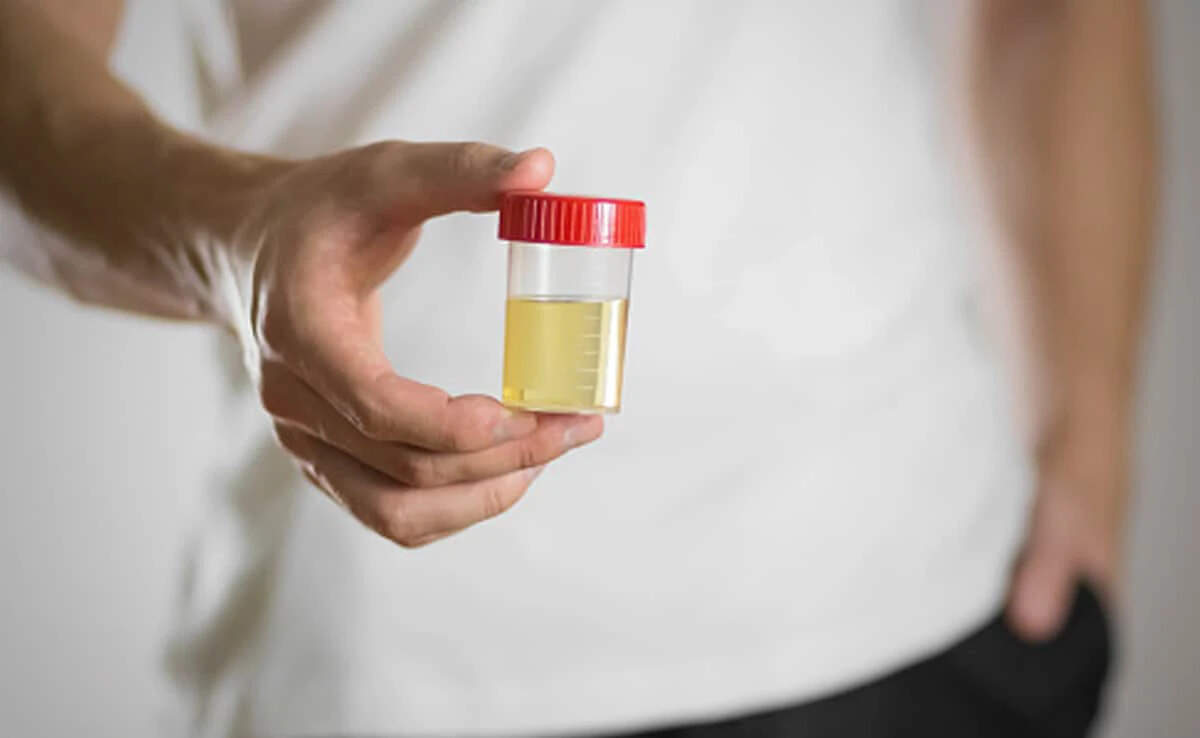
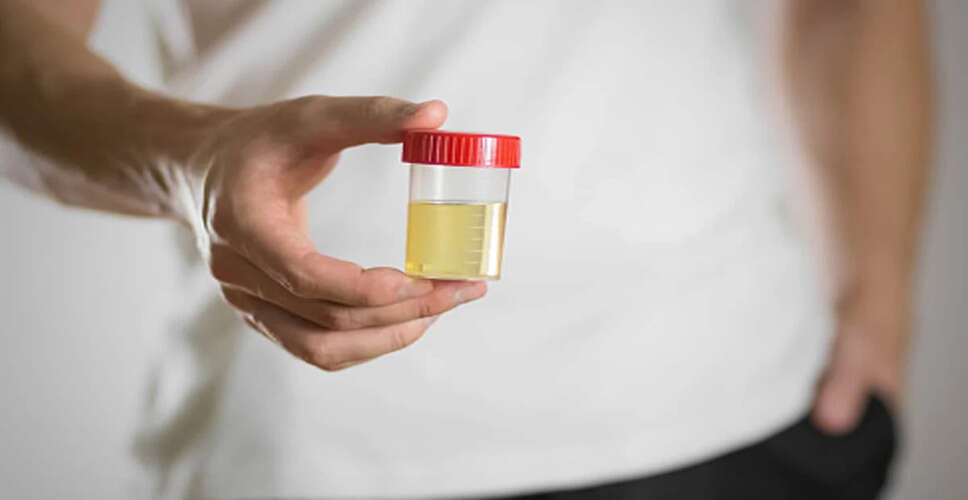
Urine serves as a waste product for our body, but it can also reveal significant health information. In simpler terms, any issues within the body may manifest through changes in urine.
One such change is the presence of protein in urine, which can be an early warning sign of kidney problems. The kidneys act as filters, cleansing the blood, and when they begin to fail, essential nutrients like protein can leak into the urine.
Identifying Protein Leakage in Urine
Dr. Sudha Rani Verma, a naturopath and yoga expert, shared insights on her YouTube channel regarding this issue. She explains that if you notice excessive froth in your urine or if it appears milky, it could indicate protein leakage. Such symptoms should not be ignored.
Causes of Protein in Urine
According to Dr. Verma, several factors can lead to protein presence in urine, including:
- High blood pressure
- Elevated sugar levels
- Excessive stress and lack of sleep
- Swelling in the kidneys
Neglecting these symptoms can increase the risk of kidney failure.
Recommended Actions
Dr. Verma suggests that if you experience protein in your urine or notice foamy urine, you can try some natural remedies.
Practice Contrast Hydrotherapy
This method involves using two tubs, one filled with hot water and the other with cold. You sit in the hot water up to your navel for three minutes, followed by one minute in the cold water, alternating for a total of four rounds. This practice enhances blood circulation, reduces swelling, and improves kidney function, while also addressing digestive issues, liver inflammation, and nervous system disorders.
Precautions to Consider
- Ensure your stomach is empty or that you haven't eaten for 2-3 hours before starting.
- Keep a cold compress on your head during the process.
- Adjust the water temperature to suit your body.
Dr. Verma notes that if this treatment is performed regularly, kidney-related issues may gradually improve without medication. You might want to give this remedy a try.
Disclaimer
This content is intended for general informational purposes only and should not be considered a substitute for professional medical advice. Always consult a qualified healthcare provider for more information.