
Understanding Parkinson's Disease: Symptoms and Home Remedies

What is Parkinson's Disease?
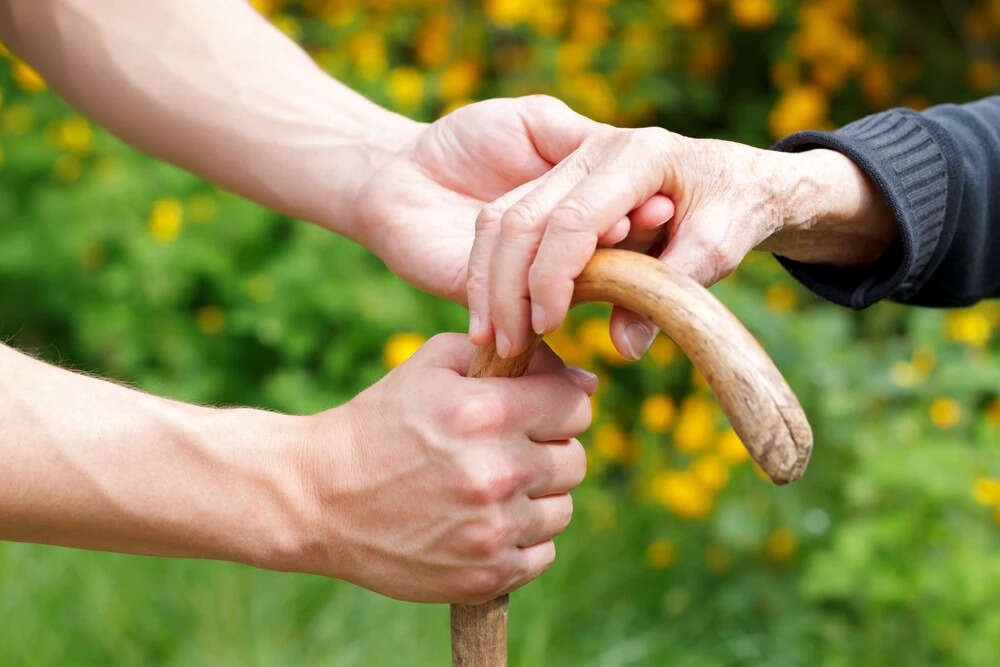
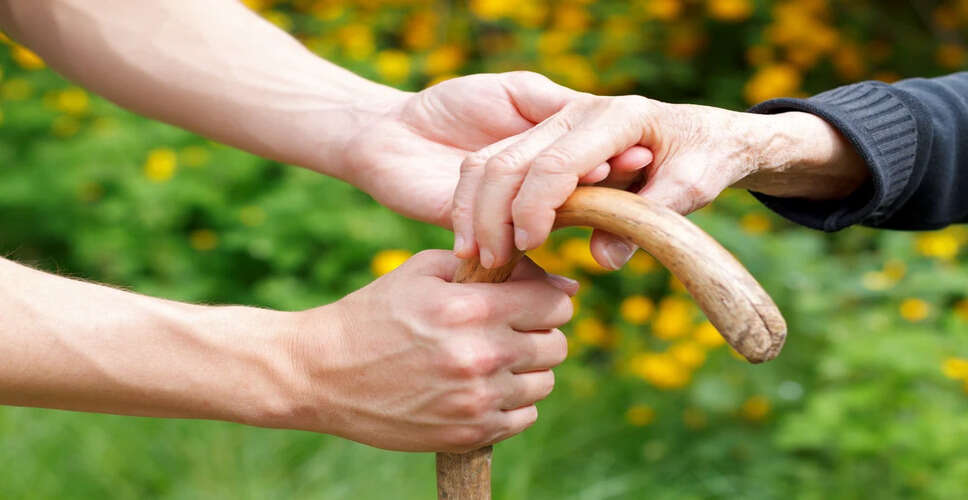
Parkinson's disease (PD) is characterized by tremors in the body, particularly in the hands and feet. Globally, over 6 million individuals are affected by this condition, with approximately 1 million cases reported in the United States alone.
Age and Symptoms
Typically, Parkinson's manifests after the age of 50. While tremors can occur in older adults, distinguishing between normal aging and Parkinson's can be challenging for many. If Parkinson's is present, physical activity diminishes, and brain function may be impaired.
Causes and Mechanism
The disease arises from damage to specific cells located deep within the brain. The basal ganglia, which contain striatonigral cells, are particularly affected. Damage to neurons in the substantia nigra leads to a decrease in their numbers and size, disrupting the balance of neurotransmitters released by these cells, which in turn affects the body's equilibrium.
Genetic Factors and Treatment
Research suggests that genetics may play a role in the development of Parkinson's. While there are currently no cures, medications can help manage symptoms. Deep brain stimulation surgery is now being performed at AIIMS as a treatment option.
Symptoms and Challenges
Patients with Parkinson's often experience rapid tremors in their limbs. These tremors may subside at times but can reoccur during activities like writing. Eating can become difficult, and tremors may also affect the jaw, tongue, and eyes. Physical balance deteriorates, making it hard to stand or walk, and patients may struggle to hold objects or speak clearly.
Complications and Lifestyle Changes
As the disease progresses, patients may face insomnia, weight loss, breathing difficulties, constipation, frequent urination, dizziness, and blurred vision. Muscle stiffness and tension can also occur, necessitating medical consultation.
Preventive Measures and Remedies
Mental stress, negative thinking, and excessive contemplation are significant contributors to the disease. Factors such as head injuries, overuse of sleep medications, and lifestyle choices like smoking and fast food consumption can increase risk. Pollution and blocked blood vessels in the brain are also potential causes.
To alleviate symptoms, it is recommended to drink lemon juice mixed with water daily for 4-5 days. Coconut water is also beneficial. A diet rich in raw foods, fruits, and vegetable juices for ten days may help improve the condition.
Incorporating soy milk, goat's milk, and salads made from leafy greens can provide relief. Foods high in vitamin E should be consumed regularly, along with light daily exercises. Maintaining a positive mindset and getting adequate sunlight for vitamin D is essential.
Patients should avoid coffee, tea, narcotics, salt, sugar, and processed foods. Interestingly, studies suggest that coffee drinkers may have a 14% lower risk of developing Parkinson's, but those already diagnosed should refrain from it.