
Understanding Mini Strokes: Symptoms and Prevention

What is a Brain Stroke?
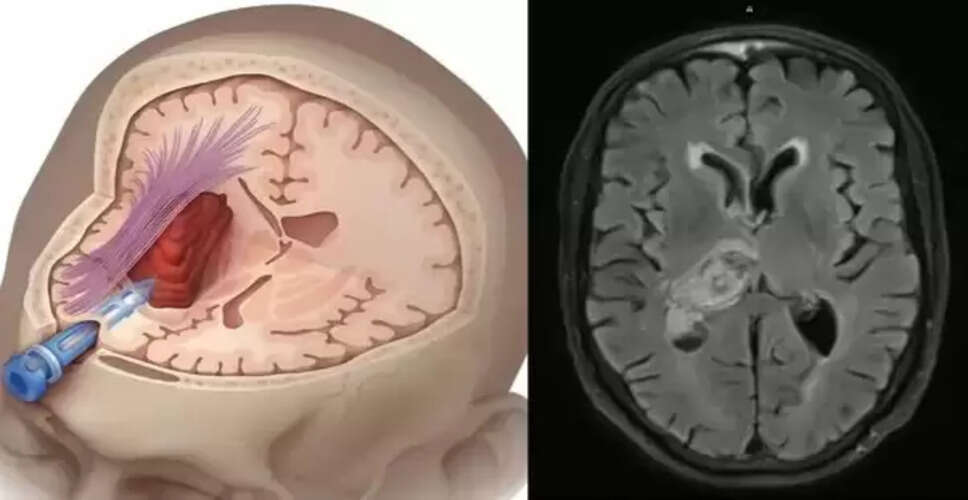
Brain Stroke: A brain stroke occurs when a blood vessel in the brain becomes blocked. This critical condition can lead to death if not treated promptly. However, are you familiar with the concept of a mini stroke?
This condition can manifest well before a major stroke occurs. The symptoms are mild and can be recognized in time to prevent a more severe attack. It is also referred to as a mini stroke or transient ischemic attack (TIA).
When Does a Stroke Occur?
Similar to a full-blown stroke, a mini stroke is caused by a blockage in a blood vessel in the brain. According to health experts, this blockage halts the flow of oxygen to the brain. However, the damage is not permanent and typically resolves within 24 hours. It is crucial not to dismiss the symptoms and to consult a doctor.
Keep an Eye on Mini Stroke Symptoms
Be vigilant for the following signs:
- Numbness or weakness on one side of the face, arm, or leg
- Sudden confusion
- Difficulty speaking suddenly
- Sudden vision problems
- Loss of balance suddenly
- Difficulty walking suddenly
- Dizziness
Understanding how food can affect your body is essential, especially regarding fat accumulation.
Diet to Prevent Strokes
To reduce the risk of brain strokes, it is advisable to consume a diet low in fat and salt while being high in fiber. Here are some foods you can include in your diet:
- Pears
- Strawberries
- Avocados
- Apples
- Bananas
- Carrots
- Beets