
Understanding Milk Packet Color Codes in India

Decoding Milk Packet Colors
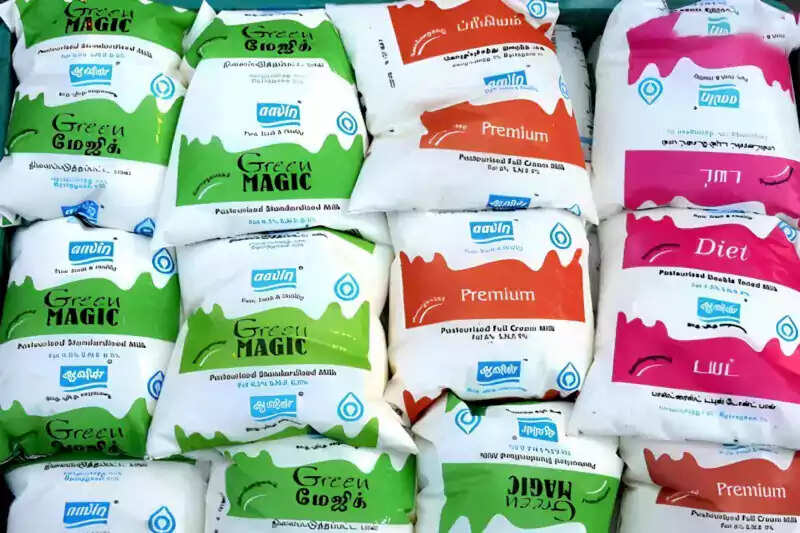
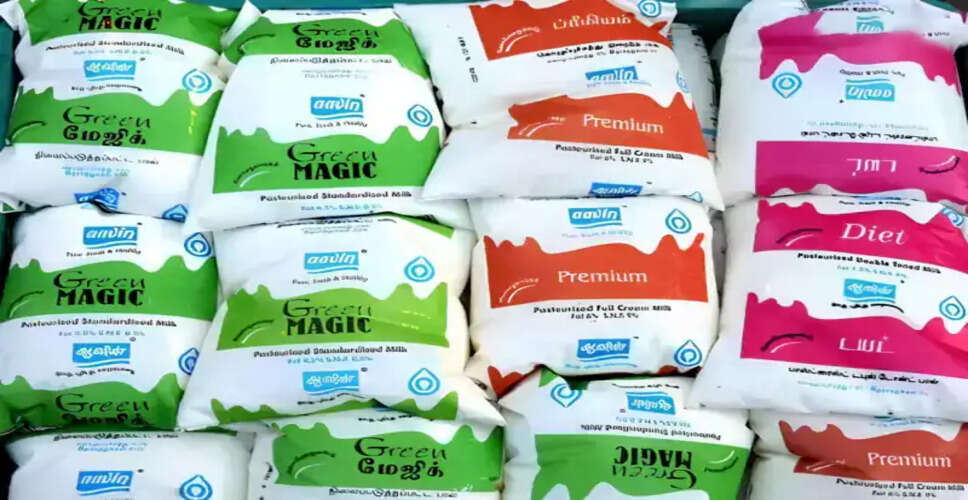
Milk Packet Color Codes: In India, the day often begins with the delivery of milk packets. The blue, green, or orange stripes on these packets are not merely decorative; they serve as a symbolic language of the Indian dairy industry, allowing consumers to identify the contents without reading labels.
Let’s unravel the mystery of these colors and determine which one is best suited for your kitchen.
The Color Code: A Visual Shortcut for Fat Content
The FSSAI has established strict labeling regulations, but dairy brands (like Amul, Mother Dairy, Sudha) choose the colors of their packets. This system aims to simplify technical information (fat percentage) into an easy-to-understand format.
Commonly Used Color Codes in India:
- Orange – Full Cream Milk: Contains approximately 6.0% fat. It is the richest and creamiest option, ideal for making ghee, thick yogurt, or for children's nutrition.
- Green – Standard Milk: Has about 4.5% fat. This offers a great balance of creaminess and flavor, making it the most popular choice for tea, coffee, and daily use.
- Blue – Toned Milk: Contains 3.0% fat. This is suitable for those who want to stay fit while enjoying the natural taste of milk.
- Magenta or Pink – Double Toned: Contains only 1.5% fat. This is the lightest and most digestible option, perfect for those looking to lose weight or for the elderly.
Convenience in Everyday Shopping
We often purchase everyday items like milk on 'autopilot.' In the morning rush, few have the time to flip the packet and read the nutritional information. In such cases, these colors act like a speed dial; you open the fridge and quickly grab your preferred color.
Color Does Not Indicate Quality
A common misconception is that milk in an orange packet is 'better' or 'purer' than that in a blue packet. In reality, the quality is consistent across the board; the only difference lies in the fat content. If you desire creaminess and flavor, the orange packet is the best choice. However, if you want to reduce calories, the blue or pink packets are more suitable.
A Part of Everyday Conversation
These milk packets have become a part of our daily conversations in India. We often tell family members, 'Bring the blue packet today' or 'If we’re making sweets, get the orange one.' This system is so straightforward that it doesn’t require special education to remember. It is passed down from one generation to the next through habits.