Understanding Mental Harassment: Causes, Effects, and Prevention Strategies
Introduction to Mental Harassment
Himani Sharma
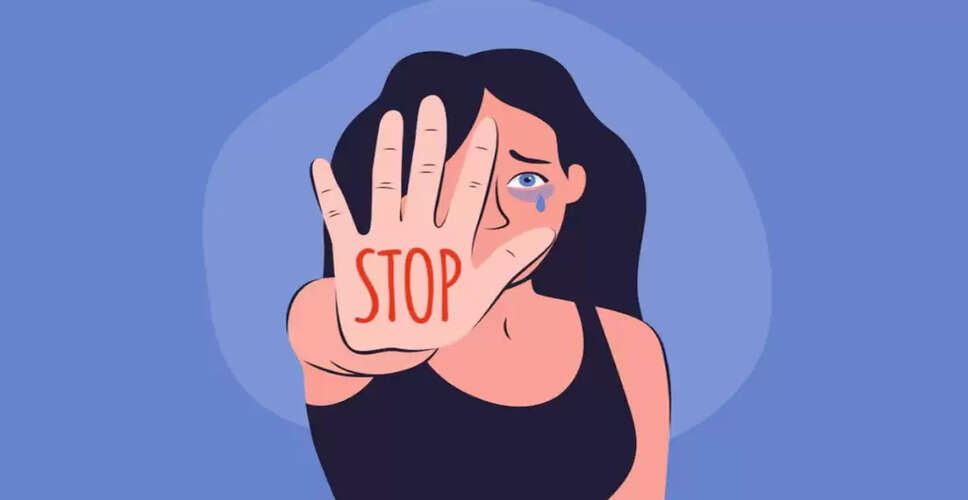
Mental harassment refers to a continuous pattern of actions that inflict psychological distress, emotional suffering, and humiliation. This form of harassment is repetitive, targeting individuals' mental and emotional states, exploiting their vulnerabilities, and often lacking visible signs, which makes it difficult to identify. It can occur in various environments, including homes (through criticism and control), schools (via ridicule and exclusion), workplaces (through intimidation and isolation), and online platforms (cyber harassment). Each of these settings presents distinct challenges but shares common psychological consequences.
Underlying Factors
Root Causes
- Power imbalances, psychological issues (such as insecurity and a desire for control), and societal norms that condone abusive behavior drive mental harassment.
- Failures within institutions and a lack of accountability further exacerbate the issue.
Consequences of Mental Harassment
Psychological and Physical Effects
- Victims often suffer from chronic stress, anxiety, depression, and a decline in self-esteem, which can lead to cognitive impairments and trauma-related disorders.
- Physical manifestations may include fatigue, sleep disturbances, and behavioral changes such as social withdrawal and decreased performance.
Broader Implications
Social and Organizational Impact
- Mental harassment can destabilize families, leading to emotional turmoil and strained relationships, while organizations may experience reduced productivity and high employee turnover.
- This issue also contributes to larger societal problems, including mental health crises and increased healthcare demands.
Legal and Ethical Considerations
Legal and Ethical Dimensions
- Mental harassment is recognized as a breach of human dignity, yet enforcement remains inconsistent due to challenges in gathering evidence and societal stigma.
- Institutions have a moral duty to prevent psychological harm and safeguard mental health.
Recognizing and Preventing Mental Harassment
Identification and Prevention
- Signs of mental harassment include ongoing fear, heightened emotional sensitivity, and social withdrawal.
- Effective prevention strategies involve education, clear policies, and fostering inclusive environments that promote safety and accountability.
Support Mechanisms
Support and Intervention
- Support for victims should include accessible mental health services, emotional validation, and protection from retaliation.
- Recovery entails rebuilding self-esteem and resilience through ongoing support.
The Role of Society and Policymakers
Role of Society and Policy Makers
- Society must confront and challenge norms that allow mental harassment to persist, while promoting mental health awareness and ethical conduct.
- Policies should focus on mental well-being and establish effective enforcement mechanisms.
Conclusion
Mental harassment is a critical issue that demands immediate attention and collective efforts to cultivate a culture that respects mental dignity and psychological health.
Visual Representation