
Understanding Men's Sexual Health: Age-Related Changes and Solutions

The Importance of Discussing Men's Sexual Health
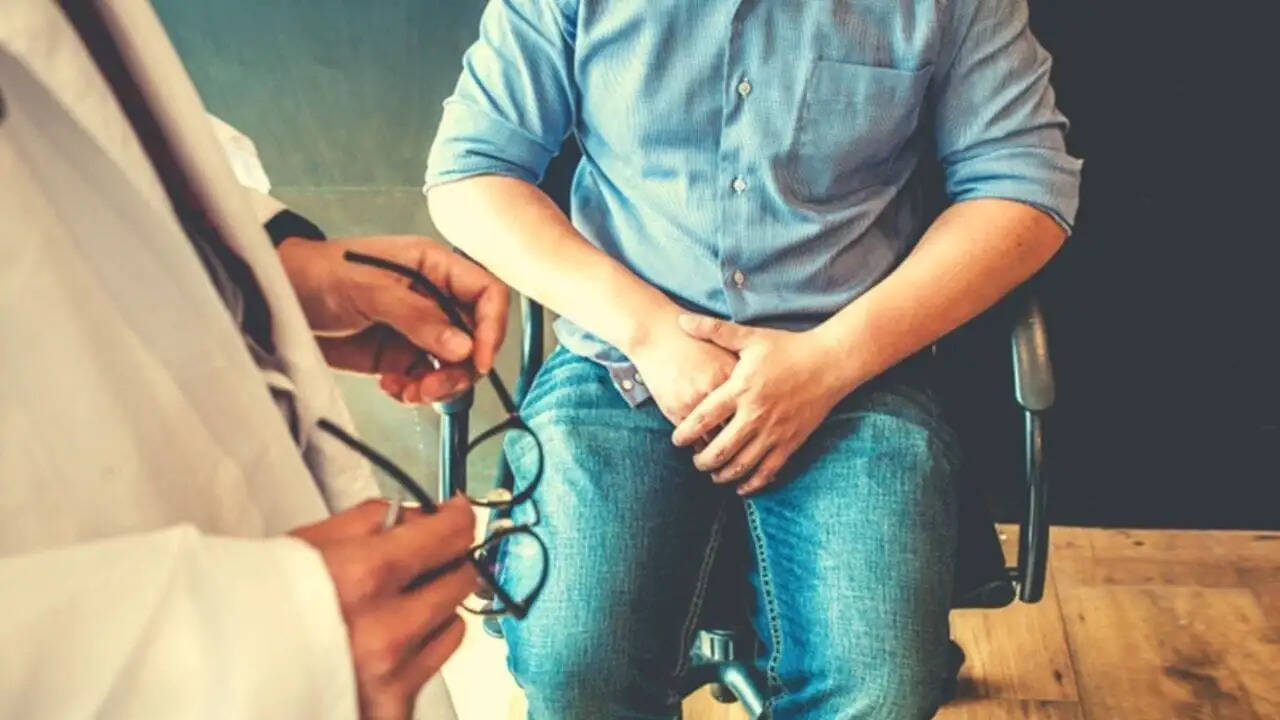
The topic of men's sexual health remains a sensitive issue in society, despite medical experts indicating that natural changes occur in intimate health as men age. After reaching 30, some men may notice a decline in libido, variations in erection quality, or slight changes in sensitivity. However, due to a lack of information and hesitation, many tend to overlook these signs.
Experts suggest that while these changes can be part of the normal aging process, an unhealthy lifestyle can accelerate them.
Hormonal Changes and Their Impact
From a scientific perspective, testosterone levels gradually decrease with age, affecting men's sexual energy, muscle mass, and confidence. The rate of this decline varies among individuals, but over time, it can influence sexual performance and response time. Additionally, blood flow plays a crucial role; issues like cholesterol buildup in arteries, high blood pressure, diabetes, and smoking can negatively impact erection quality.
Physical Changes and Lifestyle Factors
As men age, they may also experience subtle changes in the structure of the penis, such as reduced tissue elasticity or sensitivity. Doctors note that these changes typically occur gradually and can differ from person to person. Factors like increased abdominal fat, physical inactivity, and chronic stress can further accelerate this process. Therefore, experts recommend focusing on lifestyle rather than solely attributing changes to age.
Recognizing Warning Signs
Certain signs should not be ignored, such as frequent difficulties with erections, a noticeable drop in sexual desire, or decreased satisfaction during intimate relations. If these issues persist, consulting a urologist or endocrinologist is advisable, as hormonal imbalances or heart-related problems may be involved.
Adopting Healthy Habits
The good news is that experts believe adopting healthy habits can significantly slow down age-related effects. Regular exercise, particularly aerobic activities and yoga, enhances blood circulation. A balanced diet rich in vegetables, fruits, whole grains, and nuts supports tissue health. Additionally, adequate sleep, weight management, and stress control are equally important. In some cases, hormone therapy or other treatment options may be recommended under medical supervision, but self-medication can be risky.
Conclusion
Ultimately, experts emphasize that changes associated with aging are not entirely abnormal, but ignoring them is unwise. By fostering awareness, undergoing regular health check-ups, and maintaining a healthy lifestyle, men can significantly improve both their intimate health and self-confidence over time.