
Understanding Kidney Stones: Myths and Remedies
The Growing Concern of Kidney Stones
In recent times, the issue of kidney stones has been on the rise. Stones forming in the kidneys, gallbladder, or urinary tract can lead to severe pain and discomfort. Consequently, many individuals seek home remedies and Ayurvedic solutions to avoid surgery. Various remedies frequently circulate on the internet and social media, claiming to eliminate stones without surgical intervention.
Traditional Remedies and Their Efficacy
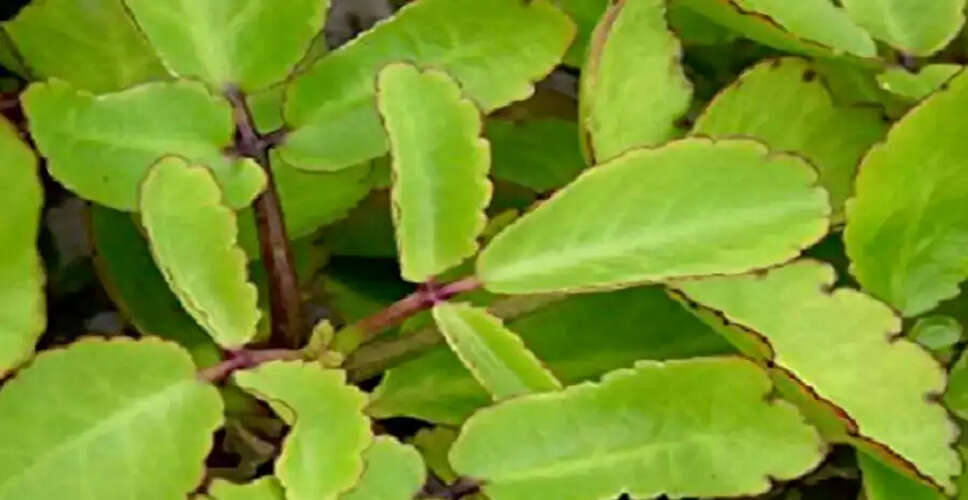
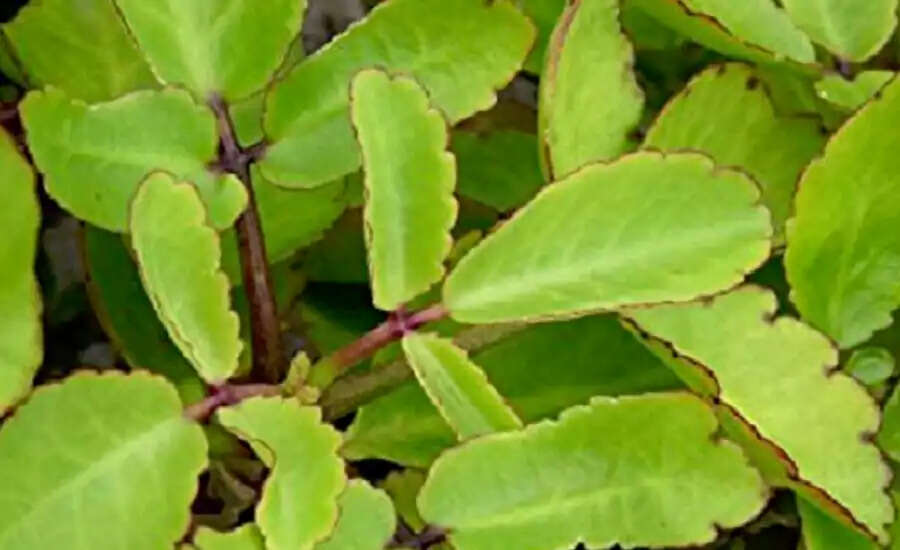
One plant that often comes up in these discussions is known as 'Patherchatta' or 'Pashanbhed.' Traditionally, this plant has been used for relief from stones for many years. Some recommend consuming its leaves, believing that it can help break down stones in the body. However, it is crucial to note that such home remedies may not work the same way for everyone.
Homeopathy and Its Limitations
Additionally, certain homeopathic remedies, such as Berberis Vulgaris (mother tincture), are mentioned. It is suggested to mix this with water for consumption. Some individuals claim it can provide relief from kidney or gallbladder stones. However, these claims lack comprehensive scientific validation, making it unwise to use them without consulting a doctor.
Understanding Stone Characteristics
It is essential to understand that the size, location, and condition of stones vary from person to person. Small stones may sometimes pass on their own with increased fluid intake and medication, but larger stones necessitate professional medical advice. Delaying treatment can exacerbate the issue.
When to Seek Medical Attention
Experts advise that if you experience symptoms such as intense pain, burning during urination, blood in urine, or persistent discomfort, you should seek immediate medical evaluation. Ultrasound or sonography can help determine the condition of the stones, which is crucial for deciding the appropriate treatment.
Preventive Measures for Kidney Stones
To prevent kidney stones, adopting a healthy lifestyle is paramount. Drinking adequate water, avoiding excessive salt and oxalate-rich foods, and undergoing regular check-ups can help mitigate this issue. Moreover, it is always safer to consult a specialist before trying any home or alternative treatments.
Conclusion
In conclusion, while Ayurvedic or home remedies may offer some assistance, they should not be viewed as miraculous cures. The best approach to effectively manage kidney stones involves obtaining accurate information, timely medical evaluations, and following a doctor's advice.