
Understanding Hernia: Causes, Symptoms, and Treatment Options
What is Hernia?
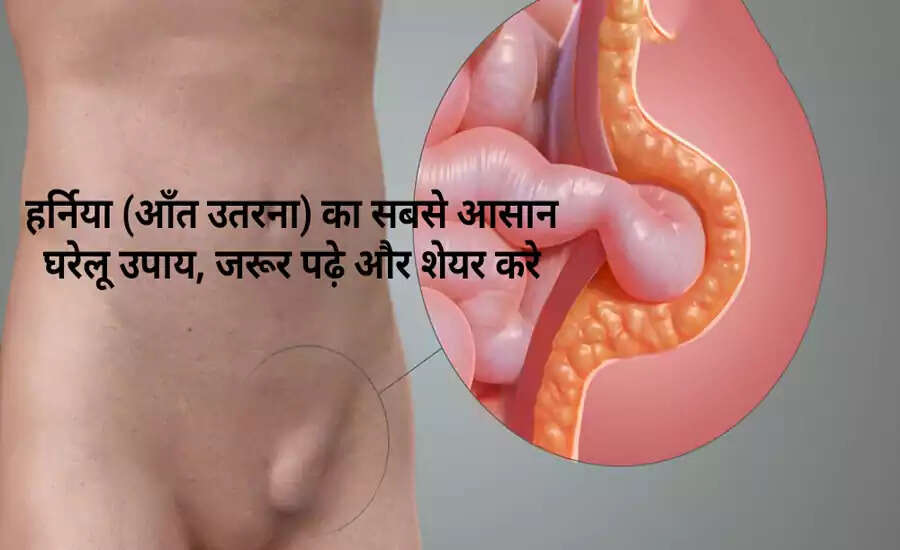
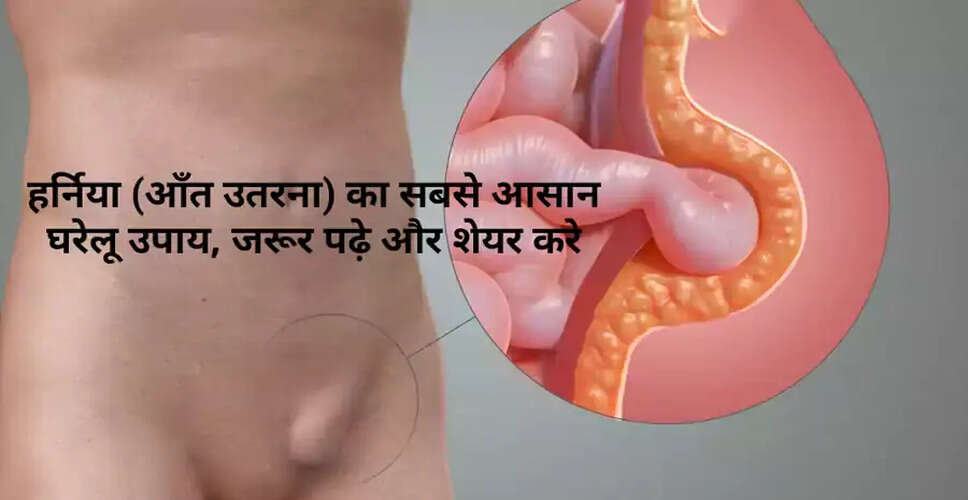
Hernia typically occurs due to a weakness in the abdominal wall. This condition arises when a portion of the intestine protrudes through a weakened area between the abdomen and the thighs. This protrusion is medically referred to as intestinal descent, herniation, or simply a hernia. Individuals may experience swelling and pain in the affected area.
Types and Causes of Hernia
In simpler terms, a hernia occurs when a weak spot in the abdominal wall allows internal organs to bulge outward. This condition can be congenital, known as congenital hernia, and can affect individuals of any age.
Treatment Options
Many people mistakenly believe that surgery is the only solution for hernia, which often deters them from seeking medical advice. However, it is crucial to understand that not all hernias are the same. Mild and early-stage hernias can often be managed with caution and support, while more complex cases may require surgical intervention for safe and effective treatment.
Symptoms to Watch For
When a person's intestine shifts from its normal position, a lump may appear near the groin or thigh joint. Sometimes, a sound may be heard when pressure is applied to the lump. This swelling can occur on one or both sides and may be accompanied by a feeling of heaviness, swelling, and pain in the groin area. While some individuals may experience severe pain, others might not feel any discomfort initially.
When to Seek Immediate Help
If the intestine becomes trapped, the lump hardens, or if there is severe pain, vomiting, or increased swelling, it can become an emergency situation requiring immediate surgery. In the early stages, the bulge can sometimes be gently pushed back, but excessive force can be dangerous.
Lifestyle Considerations
Individuals with a protruding abdomen should focus on weight loss, as excess pressure on the abdomen can exacerbate hernia issues.
Home Remedies and Alternative Treatments
Traditional home remedies often suggest mixing castor oil with milk. Some individuals also find coffee beneficial, although scientific evidence supporting these remedies is limited.
Yoga and Lifestyle Improvements
Emphasis is placed on yoga and lifestyle modifications. Drinking warm water and engaging in light walking, along with practices like Surya Namaskar and Kapalbhati, are believed to help reduce constipation and strengthen abdominal muscles, as chronic constipation can increase pressure on the abdomen and worsen hernia.
Homeopathic Remedies
Homeopathic treatments may include remedies such as Sulphur 200, Arnica 200, Nux Vomica 200, Calcarea Carb 200, Aconite 30, and Lycopodium 30. These should only be used under the guidance of a qualified homeopathic practitioner.
Final Thoughts
It is crucial not to ignore a hernia, as neglecting it can lead to serious complications. If swelling increases, pain intensifies, vomiting occurs, or the lump hardens, it is essential to consult a surgeon immediately. Timely medical consultation is the safest approach.