
Understanding Heart Blockage: Causes, Symptoms, and Prevention

The Rising Concern of Heart Disease
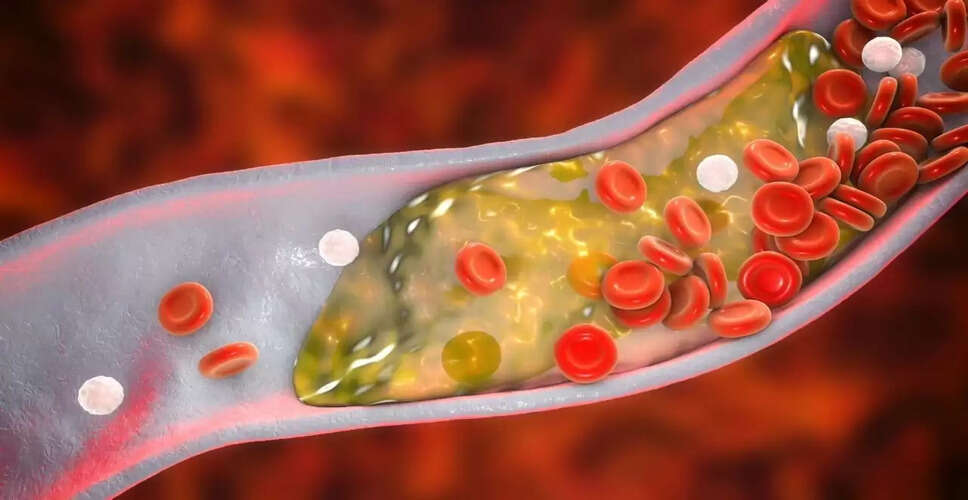
In today's world, heart disease is no longer confined to the elderly; it is increasingly affecting younger individuals as well. One significant issue is heart blockage, which can develop gradually without noticeable symptoms, potentially leading to severe health complications. Let's explore the causes of heart blockage, its symptoms, and preventive measures.
What Causes Heart Blockage?
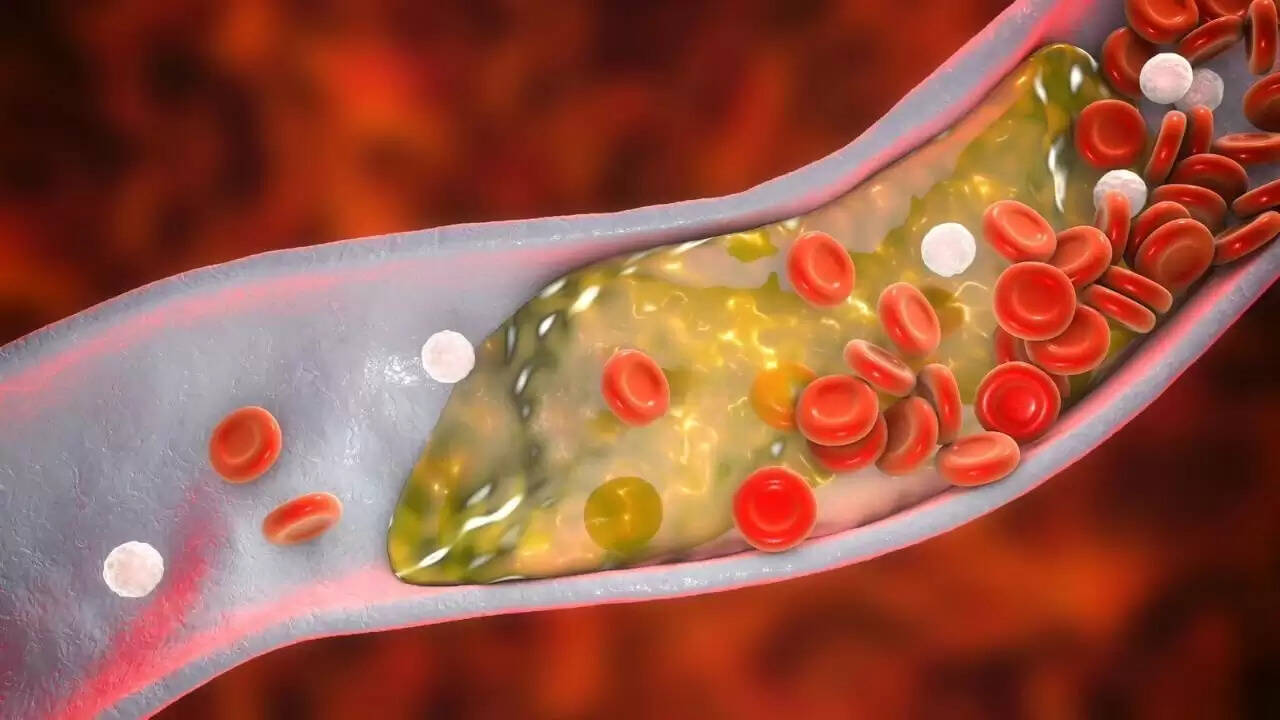
Heart blockage occurs when fat, cholesterol, and other substances accumulate in the coronary arteries, a condition known as atherosclerosis. This buildup gradually slows blood flow, depriving the heart of essential oxygen and nutrients. Over time, increased blockage can elevate the risk of heart attacks or cardiac arrest. Often, this condition develops slowly, with initial symptoms being mild or atypical, leading many to overlook them.
Key Factors Contributing to Heart Blockage
Several factors can lead to heart blockage, with an unhealthy lifestyle being a primary contributor. Diets high in fats, smoking, alcohol consumption, lack of exercise, and chronic stress can exacerbate this condition. Additionally, high blood pressure, elevated cholesterol levels, and diabetes are significant risk factors. Genetic predisposition may also play a role, especially if there is a family history of heart disease. As individuals age, the elasticity of their arteries decreases, increasing the risk of blockage. Ignoring these factors can lead to severe and potentially fatal consequences.
Recognizing Symptoms of Heart Blockage
Dr. Ajit Jain from the Cardiology Department at Rajiv Gandhi Hospital explains that the symptoms of heart blockage vary based on an individual's physical condition and the severity of the blockage. Initially, mild fatigue or shortness of breath may occur, often dismissed by individuals. However, as blockage worsens, symptoms such as chest pain, pressure, or burning sensations may arise, particularly during physical exertion. This pain can radiate to the left arm, neck, jaw, or back.
Other symptoms may include fatigue, anxiety, sweating, dizziness, difficulty breathing, and irregular heartbeats. Some individuals may even experience a feeling of heaviness in the chest while sleeping. If these symptoms recur, they could indicate heart blockage, necessitating immediate medical evaluation.
Preventive Measures for Heart Health
To maintain heart health, consider the following preventive measures:
- Adopt a healthy diet.
- Engage in at least 30 minutes of exercise daily.
- Avoid smoking and alcohol completely.
- Regularly monitor blood pressure, cholesterol, and blood sugar levels.
- Practice meditation or yoga to reduce stress.
- Ensure a minimum of 8 hours of sleep each night.