
Understanding Cholesterol: Causes and Control Measures
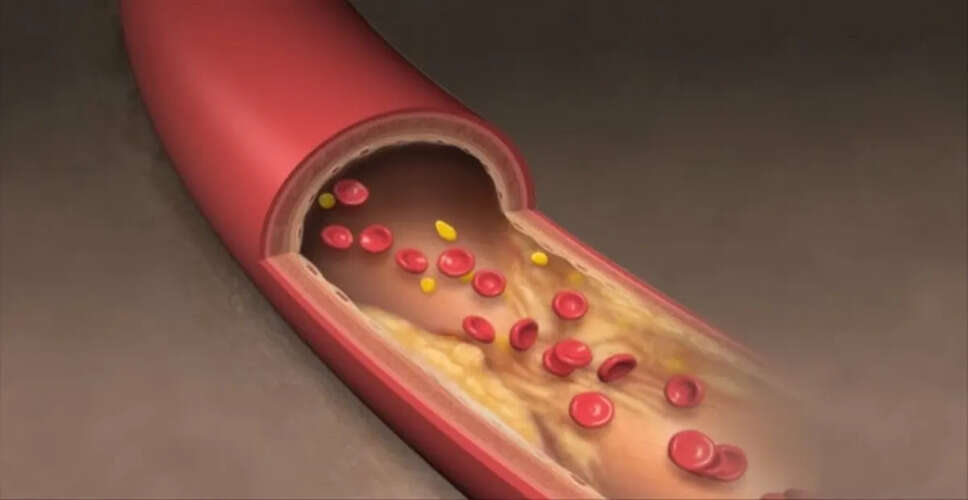

The Growing Concern of Cholesterol
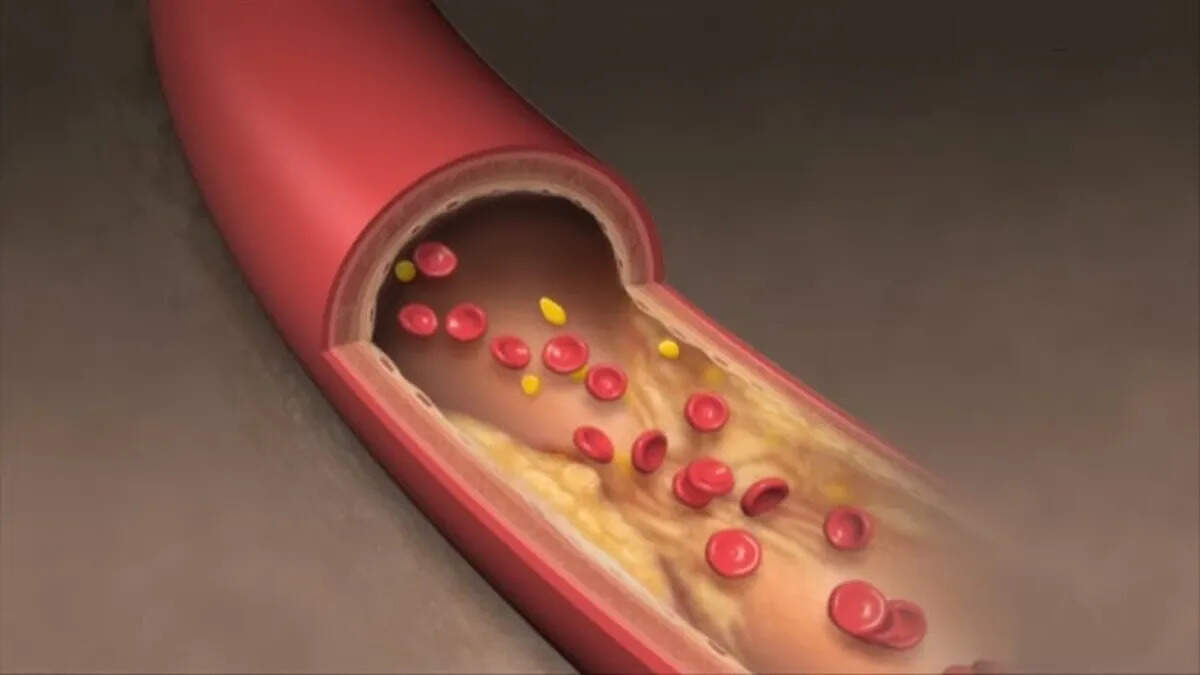
In today's world, the rise in cholesterol levels has become a common issue, largely due to changing lifestyles and dietary habits. Cholesterol in the body is categorized into two types: good (HDL) and bad (LDL). An increase in bad cholesterol can elevate the risk of heart diseases. According to Dr. Bhanu Mishra, a transplant physician and nephrologist at Fortis Hospital in Shalimar Bagh, various factors contribute to this condition. Let's explore the reasons behind rising cholesterol levels and how to manage them effectively.
What Causes Cholesterol Levels to Rise?
- Poor Diet: The primary reason for increased bad cholesterol is an unhealthy diet. Foods high in trans fats, fried items, fast food, bakery products, and red meat contribute to elevated LDL cholesterol levels.
- Lack of Physical Activity: A significant factor is the lack of physical activity. Prolonged periods of sitting and insufficient exercise lead to fat accumulation in the body.
- Stress and Sleep Deprivation: Stress, inadequate sleep, smoking, and excessive alcohol consumption can also disrupt cholesterol balance. In some cases, genetic factors and aging play a role as well. However, simple lifestyle changes can help manage cholesterol levels.
- Genetic Factors: A family history of cholesterol issues can lead to problems even if one maintains a healthy lifestyle. This genetic condition can hinder the liver's ability to clear bad cholesterol (LDL), resulting in cholesterol buildup in the arteries at a young age.
How to Control Cholesterol Levels?
To manage cholesterol levels effectively, avoid saturated fats such as ghee, butter, full-fat dairy, and trans fats. Incorporate fiber-rich foods like oats, beans, fruits, and vegetables into your diet. Regular exercise, maintaining a healthy weight, and quitting smoking are essential. Foods like fish, nuts, and soy products are beneficial. Use healthy oils in moderation for cooking. Aim for at least 30 minutes of brisk walking, yoga, or any physical activity daily. Additionally, practice meditation and pranayama to reduce stress, ensure adequate sleep, and steer clear of smoking.