
Uncovering the ₹20 Counterfeit Coin Scandal: How to Spot Fake Currency
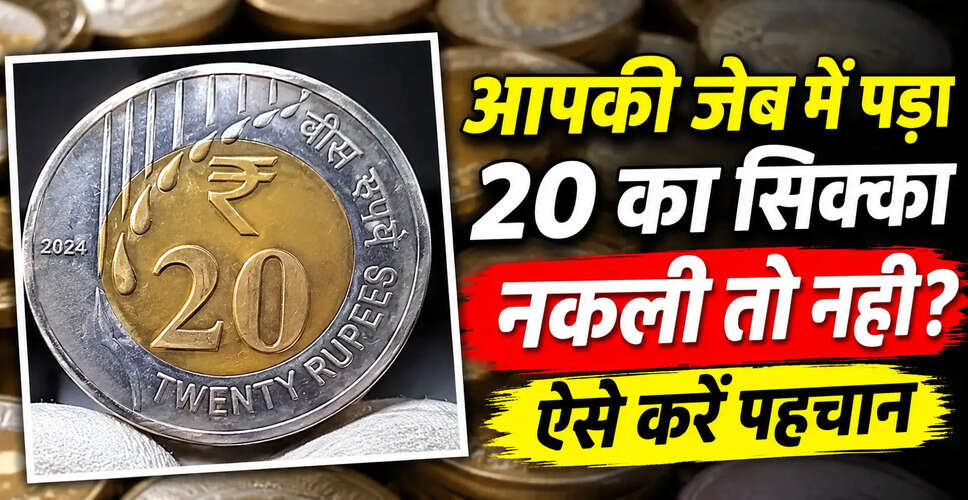

Major Counterfeit Coin Operation Exposed
A significant case involving counterfeit ₹20 coins has emerged in the country. Authorities have uncovered an interstate gang responsible for producing and distributing these fake coins. The investigation revealed a network extending across Haryana, Delhi, Punjab, Uttar Pradesh, Bihar, and Jharkhand. The suspects claim to have circulated over ₹700 million worth of counterfeit coins, although police have yet to verify this assertion.
Concerns Over Authenticity of ₹20 Coins
This incident has raised concerns among the public about the authenticity of the ₹20 coins in their possession. Let’s delve into the details of this case and learn how to differentiate between real and counterfeit coins.
Counterfeit Coin Network from Sonipat to Saharanpur
According to media reports, a unit producing fake coins had been operating in Sonipat, Haryana, for nearly ten months. This unit was disguised as a screwdriver manufacturing facility, but police discovered it was actually producing counterfeit ₹20 coins.
On September 13, police apprehended the suspects while they were transporting machinery to another location in Saharanpur, Uttar Pradesh. During the operation, six heavy machines, counterfeit coins, and tools used for coin production were seized.
Distribution Methods for Fake Coins
Authorities stated that the gang distributed counterfeit coins through intermediaries. Allegedly, fake coins valued at ₹200 were sold for ₹160.
These coins were then attempted to be circulated at toll plazas, small shops, towns, and various other locations. The police noted that the gang's network spanned multiple states.
Identifying Real vs. Fake ₹20 Coins
If you possess a ₹20 coin, here are some tips to verify its authenticity:
1. Examine the Coin's Structure and Size
Authentic coins adhere to specific standards in terms of structure. If the coin appears excessively warped, uneven, or poorly made, exercise caution.
2. Inspect the Design and Inscription
Carefully observe the ₹20 inscription, Ashoka emblem, and other designs on the coin. Genuine coins feature clear and balanced designs. Blurred inscriptions or unusual designs may raise suspicion.
3. Check the Metal Joint
The ₹20 coin is composed of two different colored metals. If there are unusual gaps, looseness, or poor finishing at the joint, have the coin examined.
4. Look for Weight and Thickness Irregularities
If the coin feels significantly lighter, heavier, or has an inconsistent thickness compared to standard coins, it may be counterfeit. However, weight alone cannot confirm a coin's authenticity.
What to Do If You Suspect a Fake Coin
If you suspect a ₹20 coin is counterfeit, avoid passing it to others or attempting to use it.
- Keep the coin separate.
- Contact your bank or relevant authorities for verification.
- Document the coin's image and the circumstances under which you received it.
- Inform the police if you have information about counterfeit currency operations.
Growing Concerns Over Counterfeit Coins
The proliferation of counterfeit coins poses a financial threat to the general public. Small shopkeepers, traders, and everyday consumers may suffer losses due to these fake coins.
Currently, police are investigating this case further and are working to identify additional individuals connected to the gang and the distribution network of counterfeit coins.