
UN Chief Antonio Guterres Calls for Global Unity in Final Address
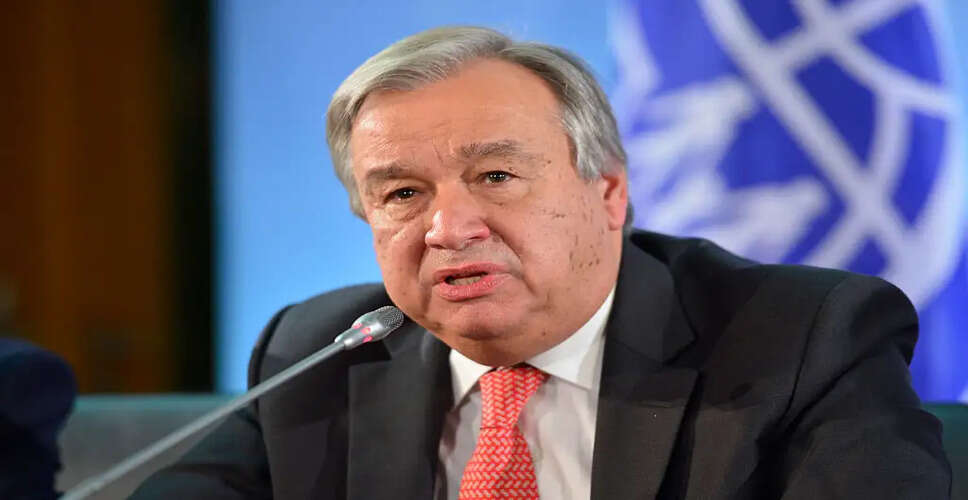

A Call for Interdependence
United Nations: In his final address to the General Assembly, UN Secretary-General Antonio Guterres emphasized the necessity of fostering a world grounded in interdependence. This plea comes as he prepares to conclude his tenure at the end of the year.
Guterres has consistently urged global leaders to maintain collaboration and collective decision-making amidst escalating global challenges and intensifying competition among major powers. The urgency of his message was palpable during Tuesday's address.
He pointed out the widening divisions in the world, highlighting ongoing conflicts, climate change, and the implications of artificial intelligence. Guterres advocated for a future that prioritizes interconnectedness over fragmentation, transactional relationships, and distrust.
His speech marked the commencement of the UN's most significant diplomatic event of the year, where representatives from 193 member nations share their aspirations, plans, and concerns with the global community.
The Secretary-General also criticized the notion that might makes right, urging powerful nations to acknowledge that their strength is not absolute.
He noted that recent events have demonstrated that military might alone cannot guarantee peace.
This year's high-level gathering will focus on conflicts in regions such as Iran, Gaza, Ukraine, Sudan, Congo, and Myanmar, raising the critical question of whether leaders can take effective action to resolve these issues.
Additionally, discussions will address the urgent threat of climate change, the increasing inequalities both within and between nations, and the economic disruptions caused by blocked shipping routes and supply chain issues that are driving up living costs and hindering growth.
As Guterres' second five-year term approaches its conclusion on December 31, speculation is rife regarding his potential successor.