
UK's Bold Move: Lowering Voting Age to 16 Sparks Debate on Youth Engagement
The Shift in Voting Age: A Progressive Step or a Political Strategy?
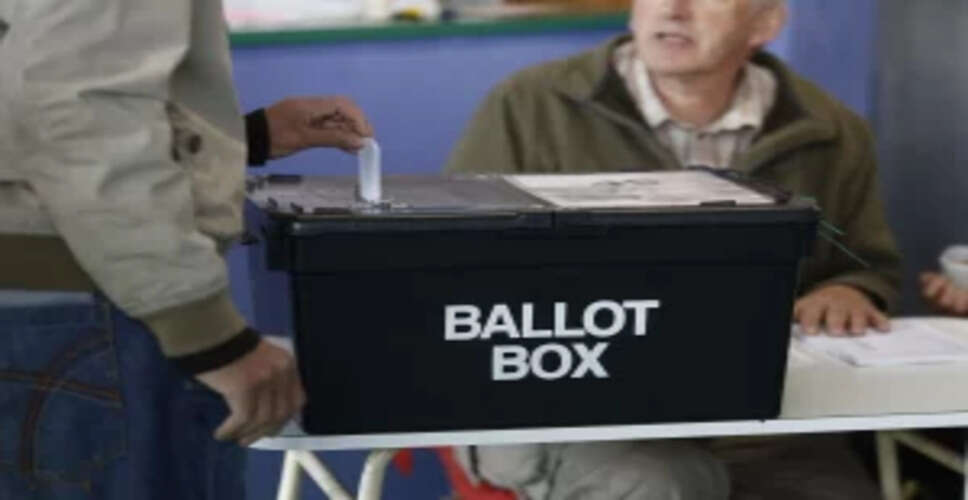
Traditionally, youth have been seen as supporters of progressive, pro-poor politics, often categorized as Left-wing. However, as individuals age, they may begin to view political matters through a more conservative lens. This shift is attributed to a growing reliance on reason over emotion as one matures. While political scientists and psychologists continue to explore this phenomenon, the rise of Far-Right ideologies in the West has begun to attract younger voters with their extreme agendas. In a notable development, the UK government, led by the Labour Party, has proposed lowering the voting age from 18 to 16, claiming it aims to enhance democracy and rebuild trust in the political system. This decision has drawn criticism from the Far-Right opposition, who argue that the Labour Party is attempting to secure its base by involving school students in elections.
The implications of young voters are complex, with varying evidence regarding the impact of a lower voting age on democracy and electoral outcomes. The last adjustment to the voting age in the UK occurred in 1969, when it was reduced from 21 to 18, making Britain one of the first major democracies to do so. The government plans to implement the new voting age by the next general election, anticipated in 2029, aligning with Scotland and Wales, where 16 and 17-year-olds can already vote in local elections.
Countries like Austria, Brazil, and Ecuador currently allow voting at 16, and several EU nations, including Belgium and Germany, permit 16-year-olds to vote in European Parliament elections. Advocates for this change argue that if 16-year-olds can work and pay taxes, they should also have the right to vote. Prime Minister Keir Starmer supports this view, stating that taxpayers should have a say in how their contributions are utilized. Pro-democracy groups have welcomed the initiative, suggesting that it could boost voter turnout, which was recorded at a mere 59.7% in the 2024 election, the lowest in over two decades. This age reduction is part of a broader electoral reform package aimed at tightening campaign finance regulations and expanding acceptable identification for voters.
Lowering the voting age is expected to foster democratic engagement among teenagers, encouraging them to develop voting habits while still in school. Critics, however, argue that students may lack the political maturity needed to make informed choices about their country's leadership. Conversely, today's youth are often seen as more politically aware than previous generations. Concerns also arise regarding the influence of social media, which can expose young voters to both beneficial and harmful ideas. Nevertheless, some social scientists suggest that young individuals in full-time education may be more engaged and informed as first-time voters compared to those aged 18 to 20, who often navigate significant life transitions during their first elections. The Right-wing opposition claims that Labour is attempting to manipulate the system to gain from an influx of 1.5 million new young voters who typically lean Left. Nigel Farage, leader of the Far-Right Reform UK party, accused Labour of trying to 'rig the system.' While 16-year-olds represent a small fraction of the electorate, their votes could be pivotal in closely contested elections. Ultimately, this initiative signifies a positive step towards involving younger voices in the democratic process.