
Ukraine and UK Forge Groundbreaking Defense Partnership for Drone Production

New Defense Collaboration Between Ukraine and the UK
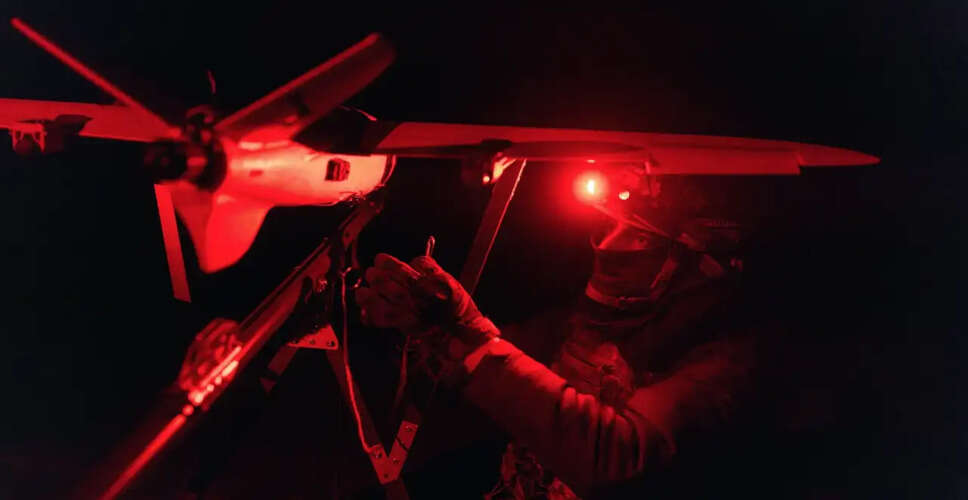
Ukraine and the United Kingdom have announced a significant defense-industrial collaboration aimed at integrating Ukrainian drone technology into British manufacturing. This initiative, which spans three years, was revealed by Ukrainian Defence Minister Rustem Umerov and marks a pivotal moment in military cooperation since Russia's invasion. The UK will fund the acquisition and production of various unmanned aerial systems designed in Ukraine, utilizing British defense firms for this purpose. This agreement follows discussions between Ukrainian President Volodymyr Zelenskyy and UK Prime Minister Keir Starmer, with the goal of enhancing Ukraine's combat capabilities while also bolstering Britain's drone manufacturing sector. All drones produced during the conflict will be allocated to Ukraine's Armed Forces, and post-conflict, the production will cater to the defense needs of both nations, establishing a long-term industrial alliance rather than a temporary wartime procurement effort. Officials assert that this initiative is a crucial step towards incorporating Ukraine's wartime innovations into the broader Euro-Atlantic defense manufacturing framework.
Production of Proven Drone Designs in the UK
Battle-Proven Designs Head To British Production Lines
While specific platforms to be manufactured have not been disclosed by Ukrainian officials, several successful systems are anticipated to be included. These may consist of reconnaissance drones like the Shark, Fury, and Leleka-100, as well as loitering munitions and tactical quadcopters developed through Ukraine's Brave1 innovation initiative. Their low production costs, modular designs, and resilience against electronic warfare have made them essential assets in the ongoing conflict with Russia.
This partnership presents an opportunity for the UK to enhance its unmanned capabilities, especially following criticism of the Watchkeeper WK450 program. By producing Ukrainian-designed systems domestically, the UK aims to strengthen its defense industry while providing NATO allies access to technologies honed under the pressures of intense combat. Major British manufacturers are expected to play a significant role as production ramps up.
Umerov referred to this initiative as a "mega-project," emphasizing its role in addressing immediate frontline needs while establishing a foundation for deeper long-term defense collaboration. President Zelenskyy echoed this sentiment, stating that the agreement would enhance drone production, accelerate the development of advanced technologies, and further integrate the defense industries of both countries. He expressed gratitude to the British government and public for their ongoing military support throughout the conflict.
Transforming Military Operations Through Unmanned Systems
Lessons From Avdiivka And Bakhmut Are Reshaping Modern Warfare
This partnership emerges as Ukraine continues to evolve its military strategies through the extensive use of unmanned systems. Insights gained from some of the war's most intense battles, particularly in Avdiivka and Bakhmut, have accelerated Ukraine's investment in drones, robotic ground vehicles, and remotely operated combat platforms, aiming to compensate for ongoing manpower shortages. Ukrainian forces now utilize reconnaissance drones, explosive-laden ground robots, and remotely controlled weapon stations to execute missions that previously necessitated large infantry assaults. Military leaders assert that these technologies have significantly minimized casualties while enabling forces to maintain pressure on Russian positions despite limited personnel.
Ukraine has also progressively expanded the use of unmanned logistics vehicles capable of delivering ammunition, food, and medical supplies to frontline troops under constant drone surveillance. Ground robots are increasingly employed to evacuate injured soldiers, transport heavy weaponry, and conduct high-risk assaults where conventional infantry would face severe losses. Beyond the battlefield, the UK-Ukraine production agreement signifies a broader shift within NATO towards expedited procurement cycles, multinational industrial collaboration, and the swift adoption of technologies shaped by real-world combat. As unmanned systems continue to redefine modern warfare, officials in both London and Kyiv perceive this partnership as a long-term investment in future military capabilities, grounded in operational experiences gained during Europe's largest conflict in decades.