
Ukraine and European Nations Form New Coalition for Ballistic Missile Defense

Formation of a New Defense Coalition
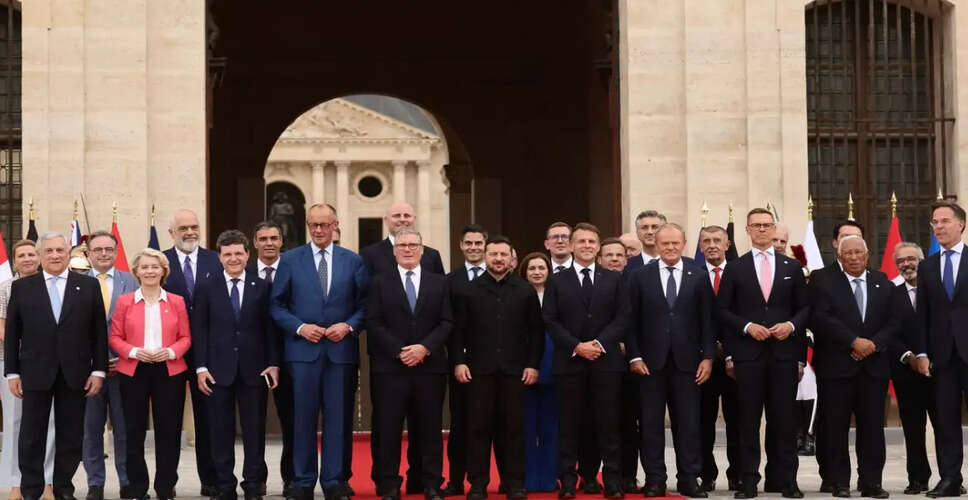
Ukraine, alongside nine European nations, has initiated a coalition focused on creating a unified ballistic missile defense system. This significant development aims to bolster Europe's collective security in light of the ongoing conflict with Russia. The announcement was made during a high-profile meeting in Paris, which saw the participation of Ukrainian President Volodymyr Zelenskyy and leaders from France, Germany, the United Kingdom, Italy, Spain, the Netherlands, Denmark, Norway, and Sweden.
The coalition's statement emphasized the goal of establishing an integrated missile defense framework to protect Europe from the escalating threats posed by ballistic missiles. The joint declaration stated, "We aim to create a common missile defense system for Europe," highlighting the importance of utilizing Ukraine's four years of combat experience against Russia in this initiative.
Addressing Security Challenges
The coalition acknowledged that ballistic missiles present a more complex security challenge compared to drones and cruise missiles, necessitating a cohesive defense strategy. Leaders underscored the urgency for Europe to develop a standardized defense system capable of thwarting potential missile strikes, even as Ukraine has demonstrated significant defensive capabilities against Russian assaults.
While the initiative is open for additional countries to join, the timeline for its implementation remains uncertain.
Zelenskyy's Call for Enhanced Air Defense
During the Paris summit, President Zelenskyy urged European allies to expedite efforts to enhance Ukraine's air defense systems, particularly as winter approaches—a time when Russia has historically escalated attacks on Ukraine's energy infrastructure. Ukrainian officials also introduced a proposed Anti-Ballistic Program to representatives from various governments, defense firms, and national security advisors, seeking greater collaboration on advanced missile defense technologies.
This announcement follows US President Donald Trump's indication of support for allowing Ukraine to produce Patriot air defense systems under license, although experts warn that such production could take several years.
Russia's Reaction to the Coalition
The Kremlin has dismissed the newly formed coalition, with spokesperson Dmitry Peskov labeling it a "coalition of warmongers" and accusing European nations of harboring unrealistic ambitions to undermine Russia. President Vladimir Putin also cautioned that Moscow would respond decisively to any Ukrainian attacks on Russian territory, stating, "Wherever they attempt to strike Russian territory, we will respond in kind, but our strikes will be several times more powerful."
Ukraine's Military Actions
While diplomatic discussions unfolded in Paris, Ukraine reported that its military had inflicted damage on 105 Russian vessels in the Sea of Azov between July 6 and July 13, as part of its efforts to disrupt Russian military supply lines in occupied Crimea. Reports indicated that various types of vessels, including tankers and cargo ships, were affected. The Russian government has yet to respond to these claims, which remain unverified.
Simultaneously, Russia asserted that it intercepted numerous Ukrainian drones targeting Moscow, while Ukraine reported new drone and missile attacks from Russia across different regions.
Commitment to Ongoing Support
The Paris meeting, part of the "Coalition of the Willing" and attended by over 30 nations, reaffirmed Europe's commitment to providing military and political support to Ukraine despite the protracted conflict. European leaders noted that enhanced cooperation in missile defense would strengthen regional security and assist Ukraine in countering ongoing Russian aggression, as peace negotiations remain stalled.