
UK Expands US Military Access Amid Rising Tensions with Iran
UK Approves US Military Operations Against Iran
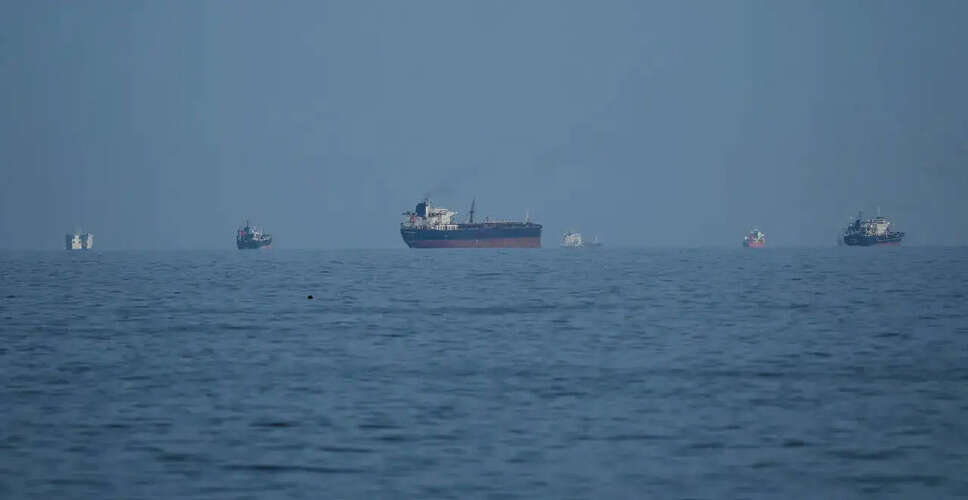
London: On March 20, the United Kingdom granted the United States broader access to its military bases for operations targeting Iranian missile installations that have been implicated in attacks on vessels in the Strait of Hormuz. This decision marks a significant shift in UK policy amidst the ongoing conflict with Iran. Following a meeting of British ministers, Downing Street released a statement confirming the change. The new directive allows US forces to conduct 'defensive operations' aimed at neutralizing missile sites and capabilities that Iran is using to threaten shipping in the strategic waterway. Previously, access was limited to operations focused solely on preventing missile launches directed at British military installations. The statement emphasized that the agreement encompasses US defensive measures to diminish the missile threats in the region.
In reaction to the UK's decision, US President criticized the timing, labeling it a 'very late response' and suggesting that the NATO ally should have acted more swiftly. Earlier this month, UK Prime Minister Keir Starmer had stated that the UK would not participate in the conflict against Iran.
Trump has been vocal in his criticism of NATO allies for their lack of support in the Iran conflict. On the same day, he referred to NATO as a 'paper tiger,' asserting that the alliance lacks strength without US backing. In a post on Truth Social, he condemned NATO nations for not joining the fight against Iran and for failing to assist in reopening the Strait of Hormuz, calling them 'cowards.'
Following the UK's approval for US military operations, Iran launched two intermediate-range ballistic missiles towards Diego Garcia, a joint military base operated by the US and UK in the Indian Ocean. This action represents a notable escalation and marks Iran's first known attempt to strike beyond the Middle East, although US officials reported that neither missile reached the base.
Warning from Iranian Foreign Minister: Shortly after the UK allowed US military access, Iranian Foreign Minister Abbas Agharchi issued a grave warning. He stated, 'The vast majority of the British people do not wish to be involved in the Israel-U.S. war against Iran. By disregarding public sentiment, Mr. Starmer is endangering British lives by permitting UK bases to be used for aggression against Iran. Iran will assert its right to self-defense.'
Ongoing Middle East Conflict: The conflict in the Middle East, which began on February 28 with joint airstrikes by the US and Israel against Iran, has now entered its 22nd day. So far, the US and Israel have targeted high-ranking Iranian officials, including Supreme Leader Ayatollah Ali Khamenei and national security chief Ali Larijani. In retaliation, Iran has been attacking US military installations and oil facilities in Gulf nations as well as cities in Israel. The Islamic Revolutionary Guard Corps (IRGC) has effectively blocked the Strait of Hormuz, significantly disrupting one of the world's most crucial shipping routes for crude oil and natural gas. The Strait of Hormuz serves as a narrow passage between the Persian Gulf and the Gulf of Oman, through which approximately 20% of global oil and liquefied natural gas is transported.