
UAE's Potential Involvement in Iran Conflict Raises Tensions in the Gulf
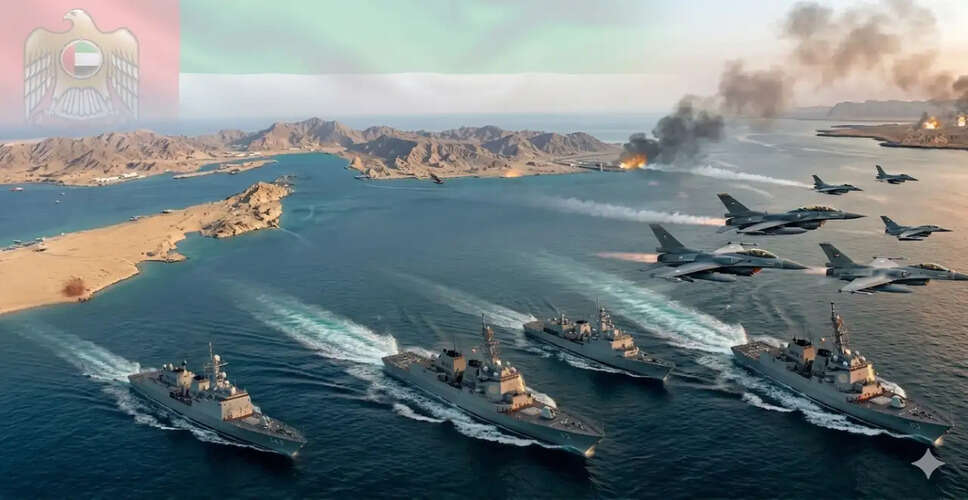

UAE Prepares for Possible Military Action
Abu Dhabi: As the conflict in the Middle East reached its 33rd day on April 1, new reports indicated that the United Arab Emirates (UAE) might join the ongoing war involving Iran. According to the Wall Street Journal, the UAE is gearing up to assist the United States and its allies in reopening the vital Strait of Hormuz. This move could signify the first involvement of a Persian Gulf nation in the conflict against Iran. Since the hostilities began on February 28, the UAE and other Gulf states have faced missile and drone attacks from Iran.
The Strait of Hormuz, a crucial maritime passage between Iran and Oman, is essential for the transportation of oil and gas from Gulf nations to global markets, with nearly 20% of the world's energy trade passing through it. Following US and Israeli military actions on February 28, Iran's Islamic Revolutionary Guard Corps (IRGC) has blocked this critical route, leading to an energy crisis in the region.
Reports suggest that the UAE is advocating for a United Nations Security Council resolution to legitimize its military actions. Emirati diplomats are also pushing for the formation of a coalition with US and allied forces to forcibly reopen the strait. Additionally, a UAE official mentioned that the country is assessing its military capabilities in light of the escalating situation. The UAE is also urging the US to take control of strategic islands in the waterway, including Abu Musa, which has been under Iranian control for nearly 50 years but is claimed by the US.
Furthermore, other Gulf nations, including Saudi Arabia, reportedly support the continuation of the conflict until the Iranian regime is overthrown.
After the US and Israeli airstrikes, Iran has retaliated by targeting US military bases and oil facilities in the Gulf region.
Trump's Stance on Ending the Iran War: The Wall Street Journal reported that President Donald Trump is considering ending the Iran conflict without reopening the Strait of Hormuz. If the US withdraws from the war, it could allow Iran to maintain control over this strategic waterway. Trump has expressed a willingness to conclude military operations against Iran, even if the strait remains closed. US officials are concerned that prolonging military efforts to reopen the strait could escalate the conflict further.
Trump's Timeline for Withdrawal: Earlier this week, Trump indicated that the US might soon exit the war with Iran, stating, "We'll be leaving very soon," and suggesting that withdrawal could occur within two to three weeks. This marks the first time the President has provided a specific timeframe for the US exit from the conflict.