
UAE Intercepts Iranian Drone Amid Rising Tensions: What’s Next for the Region?

Escalating Tensions in the Gulf
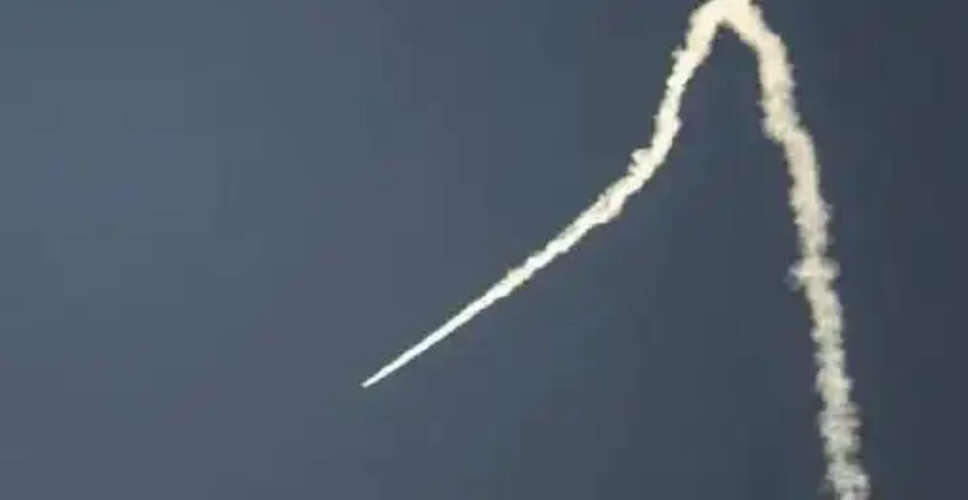
In a significant development, the United Arab Emirates announced the interception of an Iranian drone over its territorial waters on Monday. This incident follows a weekend exchange of fire between the United States and Iran, marking the first such confrontation in a month.
Iranian authorities reported that two individuals lost their lives and several others sustained injuries due to a US strike on Larak Island in the Strait of Hormuz on Sunday night. In retaliation, Iran launched missiles targeting US positions in Jordan, which were successfully intercepted.
During the recent lull in hostilities, the US has intensified economic sanctions against Iran, aiming to compel Tehran to make concessions, including the reopening of the crucial Strait of Hormuz for shipping.
Following US and Israeli attacks on Iran on February 28, Iran tightened its grip on the vital strait, through which a significant portion of the world's oil trade flows during peacetime, drastically reducing maritime traffic. This situation has disrupted the global economy, leading to increased prices for energy and other commodities.
As hostilities resumed, Brent crude oil prices surged past USD 90, reflecting a 25% increase since the onset of the conflict, posing a growing challenge for US President Donald Trump as midterm elections approach.
A return to full-scale conflict poses serious risks for the region, particularly as Iran has targeted US military installations and infrastructure in Gulf nations since the conflict began.
UAE's Response to Iranian Provocation
The UAE's Defence Ministry issued a brief statement confirming that it had successfully dealt with the Iranian drone detected approaching its waters. Fortunately, there were no reports of damage.
The UAE Foreign Ministry condemned the incident, labeling it a 'dangerous escalation' that violates the nation's sovereignty and poses a direct threat to the safety of its citizens and residents.
In a subsequent statement, the Defence Ministry refuted claims made by the Iranian military that the Al Minhad Air Base in Dubai had been targeted, asserting that such allegations were unfounded.
In response to the US attack on Sunday, Iran's Foreign Ministry declared that the nation would not hesitate to exercise its right to self-defense and would respond decisively to any military aggression.
Iran's Stance and International Dynamics
Before attending the Shanghai Cooperation Organization summit in Kyrgyzstan, Iranian President Masoud Pezeshkian emphasized that Iran does not seek war but will respond firmly to aggressors.
The summit, which includes leaders such as Chinese President Xi Jinping, Russian President Vladimir Putin, and Indian Prime Minister Narendra Modi, is seen as a counterbalance to US influence. Pezeshkian is expected to meet with Putin on the sidelines of the event.
Meanwhile, US Treasury Secretary Scott Bessent is set to lead discussions among G20 finance ministers in North Carolina, as Washington seeks to economically isolate Iran by pressuring other nations to cease business dealings with Tehran.
Two weeks prior, the UAE halted all trade with Iran, citing renewed missile threats from Iran, although Tehran denied any involvement in the attacks.
US Military Actions and Regional Implications
On Sunday, US Central Command reported conducting strikes on Iranian launchers after observing preparations by Iran's Revolutionary Guard Corps to deploy rockets and sea mines in the Strait of Hormuz. The US military had previously cleared sea mines from international shipping routes in the area.
US military officials characterized the strikes as 'limited and precise,' countering Iran's claims of aggression. Iranian state media later broadcast footage of ballistic missiles purportedly targeting US bases in Jordan, with Jordanian military confirming the interception of eight missiles that entered its airspace.
The last confirmed US military action against Iran occurred on July 29, when a significant wave of strikes targeted numerous Revolutionary Guard sites, including coastal surveillance and defense installations.