
Typhoid Outbreak in Gandhinagar: Over 100 Suspected Cases Reported
Typhoid Cases Surge in Gandhinagar
In Gandhinagar, Gujarat, more than 100 suspected typhoid cases have emerged, including instances among children, following a water pipeline leak. Reports indicate that out of 113 suspected cases, 19 individuals have been discharged from medical facilities, while 94 others are currently receiving treatment at the Gandhinagar Civil Hospital and urban health centers located in Sectors 24 and 29.
Typhoid, a disease caused by the Salmonella Typhi bacteria, is transmitted through contaminated water and can affect various organs, leading to symptoms such as vomiting and, in severe cases, death.
In response to the outbreak, Union Home Minister Amit Shah, who represents Gandhinagar in the Lok Sabha, has urged local authorities to take immediate action. He emphasized the need for urgent repairs and inspections of pipelines in the vicinity to curb the disease's spread.
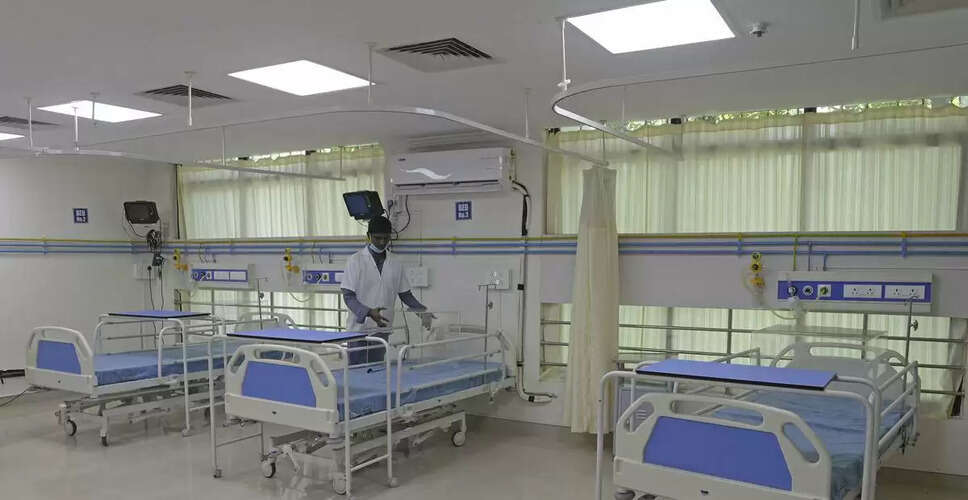
Health officials have been instructed to ensure that all patients receive timely medical attention. To facilitate this, continuous outpatient departments (OPDs) have been set up in the impacted areas, and provisions have been made for the families of patients at the Civil Hospital.
Survey teams from the Gandhinagar Municipal Corporation have conducted inspections in over 20,800 homes, reaching more than 90,000 residents. As a precautionary measure, they have distributed 30,000 chlorine tablets and 20,600 sachets of Oral Rehydration Solution to the community.