
Turkey's Strategic Maneuvers Amid Middle Eastern Tensions
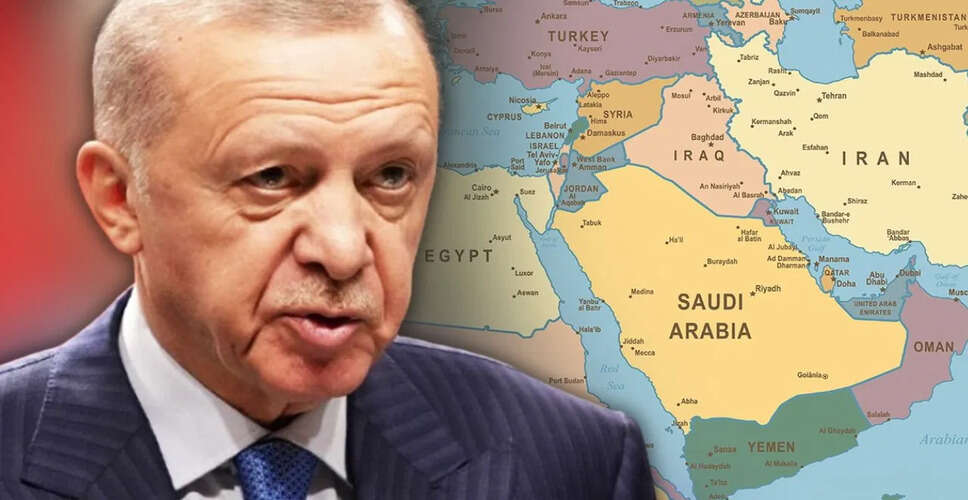
Turkey's Dual Approach in Regional Politics
Turkey appears to be outpacing Pakistan in its duplicity regarding international relations. While Pakistan expresses solidarity with Iran, its army chief, Asim Munir, has met with Trump, reflecting a similar trend in Turkey's actions. Currently, Turkey is hosting a summit for the Organization of Islamic Cooperation (OIC), where the primary focus is on the Iran-Israel conflict and the situation in Palestine. However, Turkey is also set to conduct military exercises with Israel, a nation it claims to oppose.
U.S. Participation in Turkish Military Exercises
According to the U.S. Department of Defense, the United States will participate in a multinational air force exercise hosted by Turkey from June 23 to July 4. The U.S. 31st Fighter Wing, stationed at Aviano Air Base in Italy, will take part in the 'Anatolian Eagle 25' drill, which will occur at the third main jet base in Konya, central Turkey.
Implications for Iran
The U.S. has been increasing its military presence in the Middle East and preparing for potential action against Iran. Turkey's invitation to U.S. forces for military drills on its territory could raise alarms in Iran, as it may provide the U.S. with strategic advantages for any future operations against the country.
Benefits for the U.S. and Regional Stability
This exercise will not only involve the U.S. but also air forces from several other nations, aiming to enhance operational coordination through realistic joint combat training. Brigadier General Tad D. Clark, commander of the 31st Fighter Wing, emphasized that the drills offer high-level training and strengthen the collaborative capabilities of allied forces. This comes at a time of ongoing instability in the Middle East, with the Israel-Iran conflict entering its second week and fears of its escalation in neighboring regions.
Turkey's Influence Over Syria
Currently, the Israeli Air Force is utilizing Syrian airspace to conduct strikes against Iran. Turkey supports the Al-Shara government in Syria and has reportedly instructed it to remain neutral in the Israel-Iran conflict. This has led to questions about President Erdogan's intentions—whether he genuinely aspires to be a leader for Muslims or is merely pursuing his own interests.