
Turkey Unveils Revolutionary AI-Powered Drone for Modern Warfare
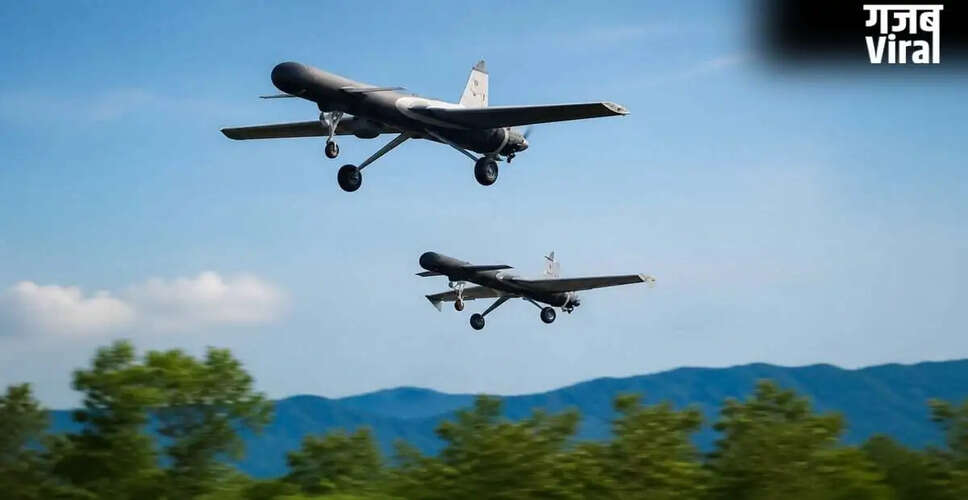

The Evolution of Warfare: AI and Drones
The landscape of global conflict has evolved beyond traditional weapons like missiles and tanks. The new battleground is now the sky, where artificial intelligence and advanced technology are transforming warfare. A prominent Turkish drone manufacturer has introduced a groundbreaking drone capable of locating and attacking targets without GPS assistance. This drone, named 'Mizrak,' which translates to 'arrow' or 'spear,' is an AI-powered kamikaze drone known as Lightning Munition. It can hover in the air for hours, searching for its target before executing a lethal strike.
Mizrak boasts an operational range exceeding 1,000 kilometers and can remain airborne for approximately seven hours. Weighing around 200 kilograms, it can reach speeds of 185 kilometers per hour and ascend to altitudes of 10,000 feet. The drone can carry a warhead weighing up to 40 kilograms, making it capable of inflicting significant damage.
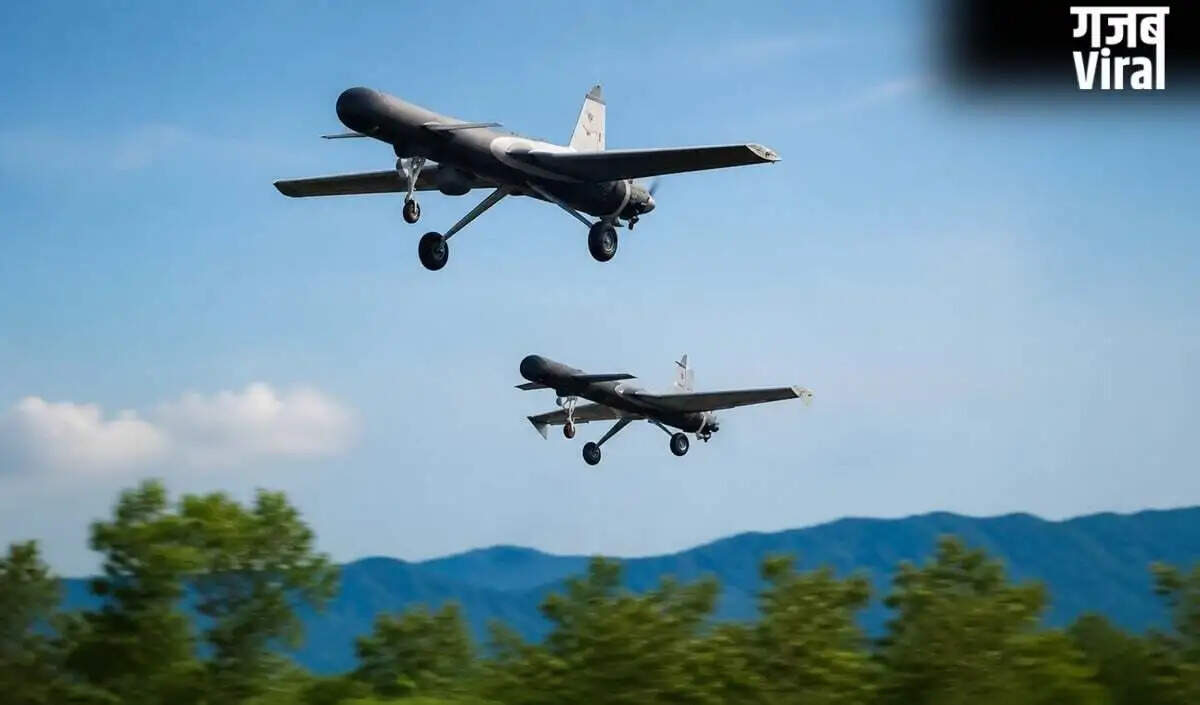
Mizrak can be launched using either a runway or rocket assistance. It comes in two variants: one designed for heavy damage with a 40-kilogram dual warhead, and another equipped with a 20-kilogram warhead and a radio frequency seeker that can easily identify radar-equipped targets. The drone is fitted with electro-optical and infrared cameras to aid in surveillance and target identification. Its most formidable feature is its ability to operate without GPS, which is typically vulnerable to enemy jamming.
Unlike conventional drones that rely on GPS, Mizrak utilizes an AI-powered autopilot with an initial navigation system and computer vision technology. It processes images captured by its cameras in real-time, aligning its position with nearby landmarks and creating its own map using techniques similar to SLAM (Simultaneous Localization and Mapping). This capability allows it to evade GPS jamming, making it a significant threat to VIPs and high-value targets.
The drone can loiter in an area for hours, autonomously identifying targets and striking at the opportune moment without human intervention. Its ability to coordinate attacks with multiple drones complicates defensive measures. Mizrak represents not just a technological advancement but a shift in the paradigm of future warfare.
Through AI and autonomous technology, Turkey has demonstrated how warfare could become increasingly sophisticated and perilous. With long-range capabilities, heavy payloads, GPS-free operations, and autonomous target recognition, Mizrak could redefine the rules of engagement. The pressing question remains: will the world develop new security technologies to counter such advancements, or will AI drones alter the very nature of warfare in the years to come? It is clear that the era of silent and precise aerial assaults has begun.