
Trump's Trade Policies Likely to Remain Unchanged Post Midterm Elections
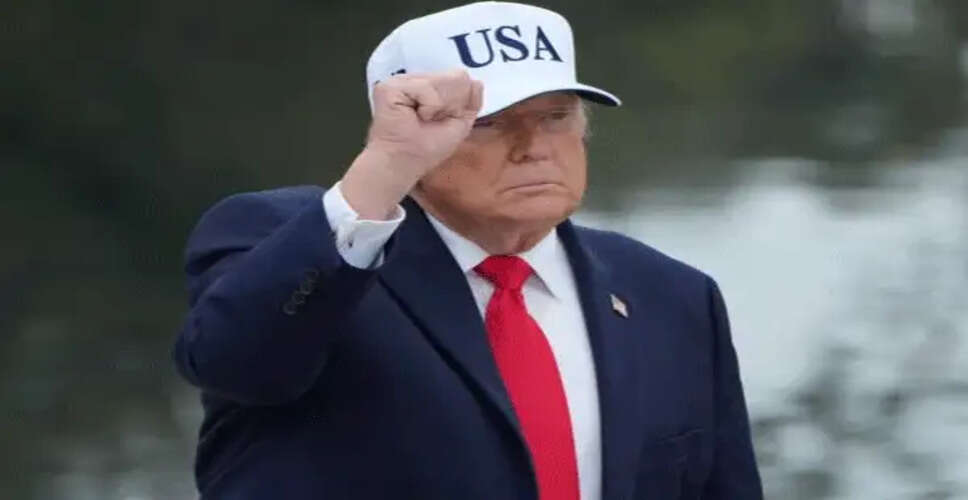

Impact of Midterm Elections on Trump's Trade Strategy
In New Delhi, despite facing setbacks in the recent midterm elections, President Donald Trump is unlikely to make significant changes to his trade policies. A recent report from the Global Trade Research Initiative (GTRI) indicates that both the Republican and Democratic parties openly support economic nationalism and protective tariffs, suggesting that the use of tariffs will continue to be a common trend in the future. The report highlights that Trump may maintain pressure on trade fronts by utilizing his executive powers without needing formal approval from Congress.
Moreover, as Trump grapples with foreign policy challenges involving Russia, China, and Iran, he may intensify pressure on India regarding trade agreements to bolster American influence globally.
Experts believe that since both major parties in U.S. politics advocate for high tariffs under the guise of protecting local workers, there is little hope for a softening of the overall trade stance. Trump is expected to continue making decisions through his existing executive powers, such as those under Section 232 and 301. The report notes that discussions about a proposed trade agreement with India have been ongoing for months, but delays have arisen due to ambiguities in American proposals. There are now concerns that Trump might leverage his powers to compel India to fully open its market to American agricultural and industrial products and offer other significant concessions.
This proposed agreement differs significantly from other traditional free trade agreements India has entered into. Typically, trade agreements involve both countries reducing their Most Favored Nation (MFN) import tariffs as per World Trade Organization (WTO) guidelines. However, under the proposed U.S. framework, Washington would retain its MFN tariffs while requiring India to either eliminate or significantly reduce tariffs on most of its industrial and agricultural products. According to GTRI founder Ajay Srivastava, this agreement appears to be primarily motivated by ongoing tariff threats from the U.S. regarding Russian crude oil purchases, reflecting a one-sided pressure tactic.
Former diplomat Rajiv Dogra, in an interview with a media channel, noted that those familiar with Trump's nature and decision-making style understand that he tends to be quite resolute in his choices. Citing a memoir by former President Bill Clinton, he mentioned that Trump has been a staunch supporter of tariff policies for decades, and changing political circumstances are unlikely to affect his stance significantly. Whether it concerns strict visa regulations, deportation issues, or other diplomatic matters, there seems to be no indication of leniency in Trump's policies at this time. However, experts also believe that a stronger opposition in the U.S. Congress could somewhat limit the pace of Trump's unilateral decisions, keeping global attention on his next moves, especially concerning Iran and trade partners.