
Trump's Strategy: Navigating the US-Israel-Iran Conflict Amidst Strait of Hormuz Tensions
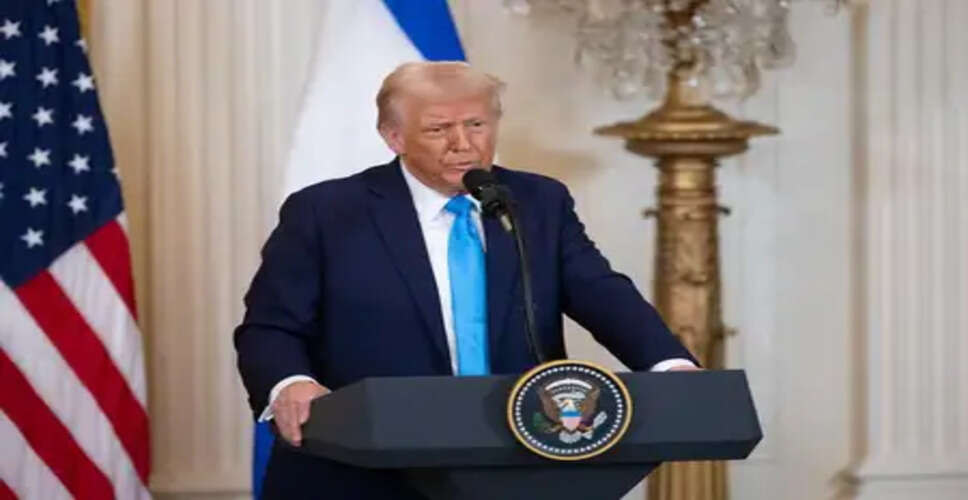

US President's Approach to the Iran Conflict
Washington: President Donald Trump has indicated to his advisors that he is open to concluding the ongoing US-Israeli conflict with Iran, even if the vital Strait of Hormuz remains predominantly blocked, as reported by a leading news outlet, citing sources from the Trump administration.
Recently, Trump and his team evaluated that attempting to reopen this essential global shipping route would extend the conflict with Iran beyond his anticipated timeframe of four to six weeks.
Consequently, Trump has opted for a strategy that prioritizes crippling Iran's naval capabilities and missile inventories while simultaneously applying diplomatic pressure on Tehran to restore trade flow through the strait. Should these efforts prove unsuccessful, the administration plans to encourage European and Gulf partners to take the initiative in reopening the waterway.
While military options are still considered, they are not currently Trump's main focus, according to the officials.
Despite these strategic assessments, Trump's public statements regarding the Iran conflict have been somewhat erratic. Just recently, he threatened to 'completely obliterate' Iran's electric facilities, oil reserves, and Kharg Island if a resolution is not achieved swiftly.
In the meantime, the administration has been reinforcing the US military presence in the region.
Over the past weekend, the USS Tripoli and the 31st Marine Expeditionary Unit have arrived in the area, with elements of the 82nd Airborne Division also beginning to deploy. There are considerations for sending up to 10,000 additional ground troops, according to reports.
Additionally, Trump is contemplating a complex operation to secure Iran's uranium reserves.
White House Press Secretary Karoline Leavitt stated that the US is striving to restore normal shipping operations through the strait, although reopening it is not among the administration's primary military goals, which are focused on targeting Iran's navy, missile capabilities, defense sector, and nuclear facilities.