
Trump's New Executive Order Targets Pharmaceutical Tariffs
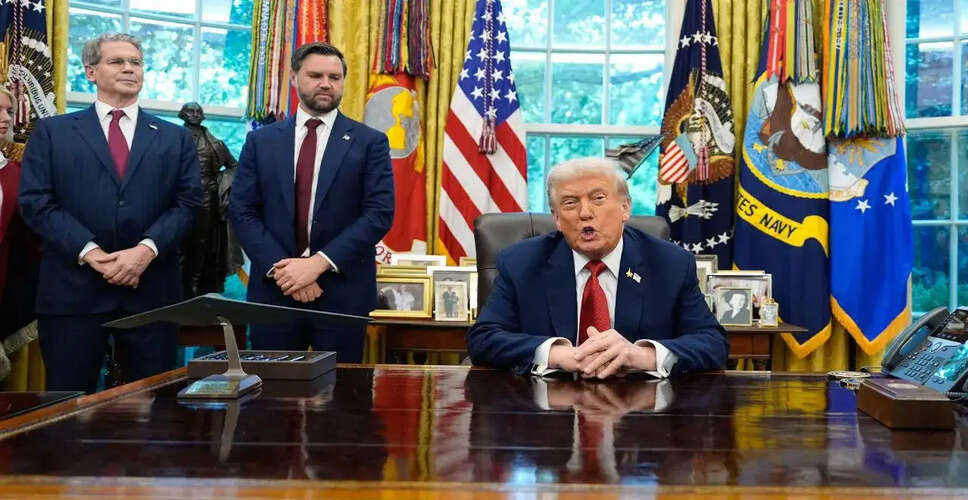
New Tariffs on Pharmaceuticals Announced
On Thursday, President of the United States, Donald Trump, enacted an executive order that may impose pharmaceutical tariffs as high as 100% on certain patented medications. This measure will affect companies that fail to negotiate agreements with the Trump administration in the upcoming months. The announcement coincided with the first anniversary of Trump's 'Liberation Day,' a day when he introduced extensive import taxes that caused significant fluctuations in the stock market. These tariffs were later overturned by the Supreme Court in February.
Companies that have established a 'most favored nation' pricing agreement and are in the process of constructing facilities in the US for the production of patented drugs and their components will be exempt from tariffs. Those without such agreements but who are developing projects in the US will face a 20% tariff, which could escalate to 100% over four years.
A senior official from the administration informed reporters that companies have a limited timeframe to negotiate before the full tariffs are implemented—120 days for larger firms and 180 days for smaller ones. In the executive order, Trump stated that these actions are essential to mitigate the potential risks to national security posed by pharmaceutical imports.
Additionally, Trump provided an update regarding the existing 50% tariffs on imported steel, aluminum, and copper. Effective Monday, the tariff rates on these metals will be determined based on the 'full customs value' that US customers pay for foreign metals. This adjustment aims to prevent importers from circumventing higher tariffs. Products made entirely from steel, aluminum, and copper will continue to incur a 50% tariff for most nations, while the administration is also revising how tariffs are calculated for derivative metals—finished goods that contain these metals but are not solely composed of them.
(With inputs from a news agency)