
Trump's Contradictory Stance on Oil Deals: Targeting India While Engaging Russia
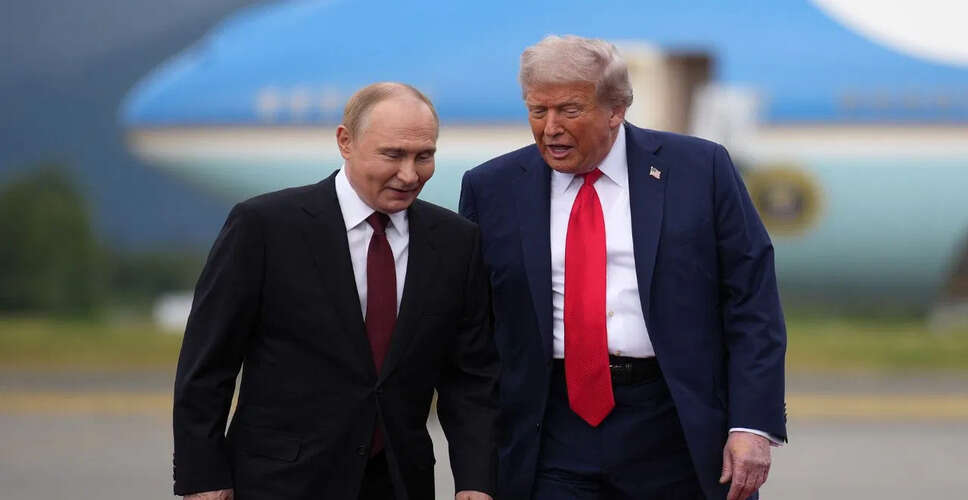
Trump's Dual Approach to Oil Purchases
The inconsistent approach of U.S. President Donald Trump has once again come under scrutiny. On one hand, he has criticized India for purchasing oil from Russia and announced a hefty 50% tariff on Indian goods entering the U.S. market.
This significant tariff took effect on August 27, following Trump's announcement on August 6, which was framed as a penalty for India's oil purchases from Russia. However, on the flip side, the U.S. is actively negotiating substantial energy deals with Russia. According to reports, senior officials from both nations recently engaged in serious discussions regarding oil, gas, and investment proposals during meetings held in Moscow and Alaska.
U.S. Conditions for Engagement with Russia
These discussions occurred when U.S. envoy Steve Witkoff visited Moscow to meet with President Vladimir Putin. Brief discussions on these proposals also took place during the Alaska summit on August 15. The White House aimed to secure a significant investment agreement from this meeting, potentially revitalizing peace talks regarding Ukraine. Here are the conditions the U.S. has put forth:
First: According to sources cited by news outlets, the U.S. has discussed the possibility of ExxonMobil re-entering the Sakhalin-1 oil and gas project in Russia, which is linked to the state-owned oil company Rosneft. Previous attempts at collaboration between American and Russian companies have stalled due to sanctions.
Second: Another critical aspect of the talks involved selling American equipment for Russia's LNG projects, including the Arctic LNG-2 project, which is currently under Western sanctions. This proposal aims to reinvigorate Russia's energy projects while economically tying the U.S. to them.
Third: Additionally, there was a proposal for the U.S. to purchase nuclear-powered icebreaker ships from Russia, which are essential for transporting oil and gas in the Arctic region. This deal could pave the way for a new direction in energy cooperation between the two countries.
Pressure on Russia and Threat of New Sanctions
Since Russia's invasion of Ukraine in February 2022, the country has been largely isolated from international energy investments and major contracts. To alter this situation, proposals emerged during negotiations aimed at pressuring Moscow to engage in the peace process. Trump has also threatened that if Russia does not comply with his conditions, stricter sanctions will be imposed.