
Trump's Cabinet Meeting at Camp David Amid Rising Tensions with Iran
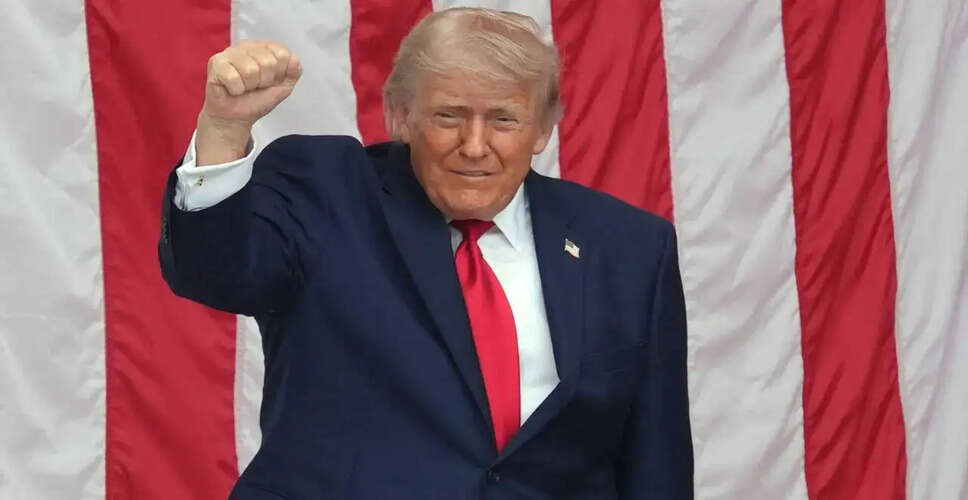

Cabinet Meeting at Camp David
On Wednesday, President Donald Trump gathered his Cabinet at Camp David, shortly after US military actions in southern Iran heightened tensions. All members of the Cabinet, including outgoing Director of National Intelligence Tulsi Gabbard, are anticipated to participate in this meeting. This gathering occurs as the Trump administration evaluates its next moves in negotiations with Iran, aiming for a more comprehensive agreement amidst a fragile ceasefire. Recently, Trump hinted that both parties might be close to a significant breakthrough, although Iranian officials have publicly contested these assertions.
Camp David has a long-standing history of hosting crucial diplomatic and national security discussions. During his initial term, Trump convened 15 meetings at this retreat. Notably, on June 8, 2025, he engaged senior officials in discussions centered on Iran and Gaza, leading to US strikes on Iranian nuclear sites weeks later on June 22. The 125-acre facility, nestled within Catoctin Mountain Park, is secured by US Marines, providing a confidential environment for sensitive discussions free from external scrutiny.
A White House representative informed a media outlet that the agenda for Wednesday's meeting would encompass the administration's recent achievements, including economic progress, small business successes, highlights from the Task Force to Eliminate Fraud, and updates on foreign policy. Trump has consistently indicated that military action could be a possibility if negotiations do not succeed, despite officials expressing hope for diplomatic resolutions.
This meeting follows limited US strikes conducted on Monday, which were characterized as defensive measures. According to US Central Command, American forces targeted Iranian vessels involved in mine-laying in the Strait of Hormuz and a missile launcher site near Bandar Abbas, citing these targets as threats to US aircraft and naval operations in the area. CENTCOM stated that the operation was executed with restraint during the ongoing ceasefire.
As American and Iranian negotiators continue discussions in Qatar regarding a broader framework that may involve reopening commercial transit through the Strait of Hormuz, sanctions relief, and future negotiations concerning Iran's nuclear program, US officials maintain that diplomatic efforts are still on track. However, the recent military actions underscore the potential for escalating tensions despite ongoing negotiations. This situation has sparked intensified discussions among Republican lawmakers, who caution against deeper US military involvement in the Middle East, even as the administration asserts that military pressure remains an option if diplomacy falters. It remains uncertain whether the meeting was primarily convened in response to recent regional developments or broader concerns regarding negotiations, ceasefire enforcement, Iran's uranium stockpiles, and security in the Strait of Hormuz.