
Trump's Beijing Visit: High Hopes but Limited Trade Progress

Overview of the Summit
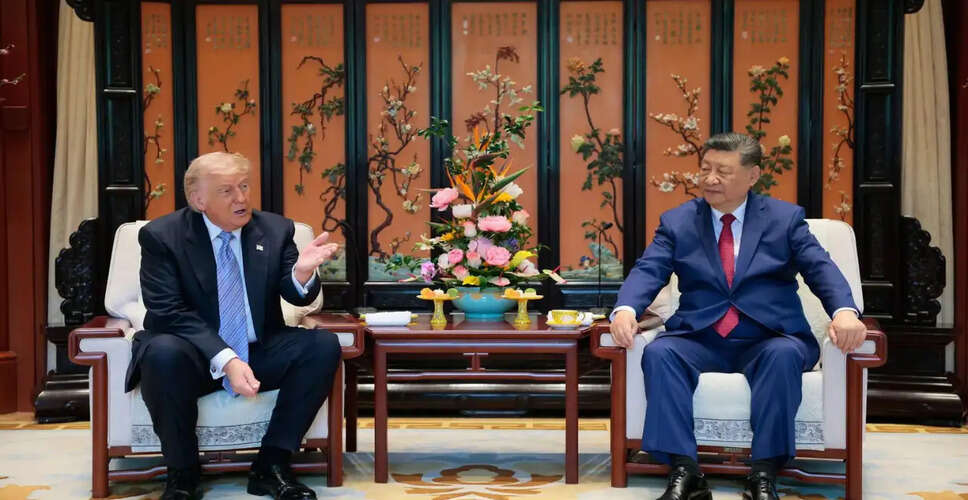
Beijing/Washington: President Donald Trump has landed in Beijing, accompanied by a prominent delegation of American business leaders from sectors such as aviation, AI, electric vehicles, and agriculture. Despite the impressive display and optimistic dialogue, the meeting with Chinese President Xi Jinping yielded minimal advancements in trade or technology. Trump characterized the US-China relationship as “the world's most consequential economic relationship” and claimed to have secured “fantastic trade deals beneficial for both nations.” However, after the initial discussions, there was no comprehensive trade agreement, no easing of tech restrictions, and no significant new business announcements.
Focus on Stabilizing Relations
The summit seemed primarily aimed at stabilizing relations and preventing further tensions. Trump and Xi engaged in over two hours of private discussions on Thursday, which the White House described as “highly productive.” Trump later referred to it as potentially “the biggest summit ever.” Xi, while expressing optimism about economic collaboration, also issued a caution regarding Taiwan, stating that previous trade discussions had shown “progress,” but warned that mishandling could lead to conflict between the two nations.
Corporate Leaders in Attendance
One of the most notable aspects of the visit was the presence of influential American corporate figures. Elon Musk was seen disembarking from Air Force One ahead of several senior officials, underscoring the significance of electric vehicles and technology in US-China relations. Nvidia's CEO Jensen Huang was also present during the welcome ceremony, highlighting the deep business interests both companies have in China. Tesla relies heavily on its Shanghai factory and Chinese consumers, while Nvidia plays a crucial role in the global AI landscape amid ongoing US export restrictions on advanced chips.
Trade Agreements and Expectations
The most tangible outcome from the summit was Trump's announcement that China had agreed to purchase 200 Boeing aircraft, marking potentially the first significant order for US-made commercial jets in nearly a decade. However, this announcement did not meet Wall Street's expectations, resulting in a more than 4 percent drop in Boeing shares following Trump's remarks. The summit primarily focused on maintaining the fragile trade truce established in October, during which Washington paused significant tariff increases while Beijing reduced restrictions on rare earth exports.
Ongoing Disagreements
Despite the optimistic rhetoric, several fundamental disagreements remain unresolved. Technology continues to be a major point of contention, with Beijing seeking greater access to advanced American technologies while Washington is determined to limit China's access to cutting-edge AI and semiconductor systems. Discussions also touched on the Middle East and oil security, with Trump stating that Xi expressed support for keeping the Strait of Hormuz open amid concerns over disruptions related to Iran. China’s foreign ministry later called for a “comprehensive and lasting ceasefire” and urged for the reopening of shipping lanes in response to international calls.
Conclusion
While both parties agreed to continue discussions ahead of Xi's anticipated visit to the White House in September, the Beijing summit ultimately produced more symbolism than substantial outcomes, maintaining dialogue but leaving the most significant trade and technology disputes unresolved.