
Trump's 'Arc de Trump' Proposal Sparks Online Speculation
A Viral Moment Captured
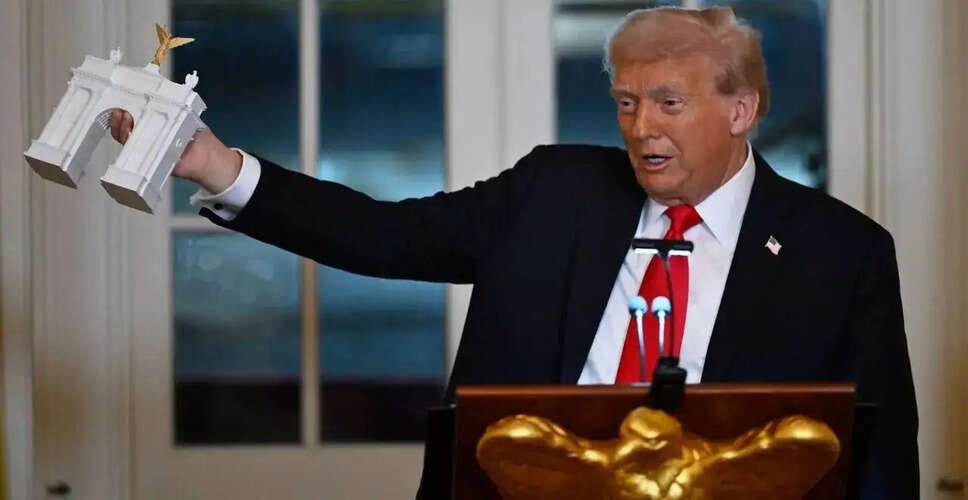
A seemingly ordinary public appearance by former US President Donald Trump has ignited a flurry of online discussion. A video that has gained significant traction on social media depicts Trump holding what looks like a printed design sheet. The footage, taken by a cameraman positioned behind him, zooms in enough to suggest it contains architectural sketches, which many viewers have speculated could be related to the much-talked-about 'Arc de Trump' project. This clip emerged shortly after Trump's public engagement, coinciding with ongoing discussions about his health, which only heightened interest in the video. Within hours, it sparked debates across various platforms, with users questioning whether the monument's development had quietly progressed. However, at this point, these interpretations remain speculative.
Understanding the 'Arc de Trump' Concept
What Is The ‘Arc de Trump’ Proposal
The concept of an 'Arc de Trump' is not a recent development. Trump has previously mentioned plans to erect a grand triumphal arch near Memorial Circle in Washington, D.C., directly across from the Lincoln Memorial. This proposed structure was intended to be part of the celebrations for the United States' 250th anniversary and was designed to echo France’s Arc de Triomphe. During a donor event last year, Trump elaborated on the idea, stating, 'Every time someone drives over that beautiful bridge to the Lincoln Memorial, they say something is meant to be here… This is a mock-up.' He also indicated that there were various design options available — small, medium, and large — with a preference for the largest version. The proposed site would align the structure along a significant axis connecting Arlington National Cemetery and central Washington, serving as both a visual and political statement.
Analyzing the Viral Footage
What The Video Does — And Does Not — Show
The widely circulated video has been interpreted by some as evidence that the project is moving forward. However, there is no official confirmation to substantiate this claim. The footage shows Trump holding a document that seems to feature architectural designs, but it does not clarify when the design was created, whether it has been finalized, or if any approvals or construction processes have commenced. Following the video's release, no formal statement has been made by the administration regarding the project.
A Broader Vision of Monumental Aspirations
A Pattern Of Monumental Ambitions
The renewed focus on this proposal aligns with a broader trend. In his second term, Trump has expressed a desire to leave a significant architectural legacy — from initiatives related to the White House complex to symbolic structures that reflect national identity. The now-suspended White House ballroom project serves as an example, where construction was halted due to legal challenges. The 'Arc de Trump' concept appears to fit within this overarching vision — one that intertwines commemoration, legacy, and a personal mark on national landmarks. For the time being, the narrative exists at the crossroads of fact and speculation. While there is a documented proposal and a viral video, confirmed progress toward construction remains absent. The clip has reignited interest in the concept and reopened discussions about the influence of political figures on national monuments.