
Trump's Approval Rating Declines Among Rural Voters Ahead of 2026 Midterms

Trump's Approval Rating Takes a Hit
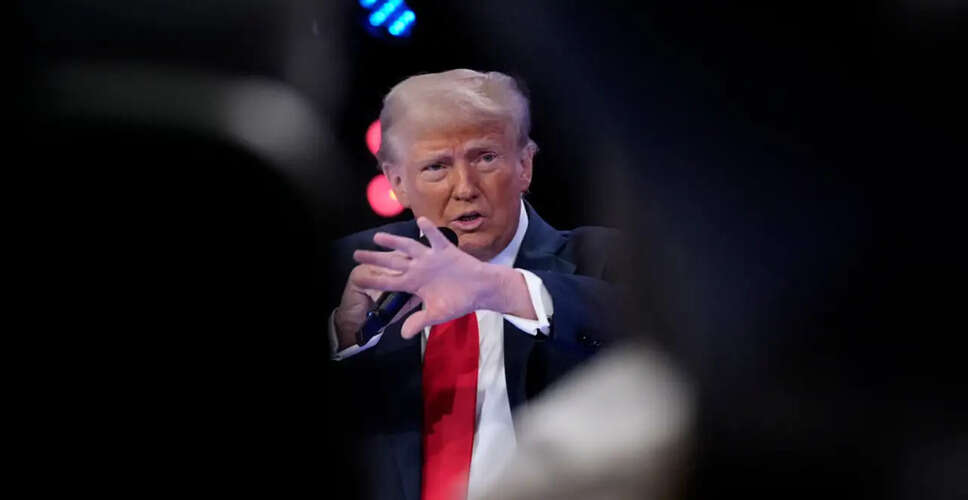
Recent polling data reveals that President Donald Trump's approval rating among rural Americans has fallen back into negative figures, according to a new survey. This marks a significant downturn from a slight improvement noted just a month prior. As the nation approaches the 2026 midterm elections, this shift has drawn renewed focus on a key voter demographic for the Republican Party.
The latest poll, conducted by a major news outlet from July 17 to July 20 with 1,003 eligible voters, indicates that only 44% of rural voters approve of Trump's performance, while 56% disapprove, resulting in a net approval rating of minus 12. This is a stark contrast to the previous month’s survey, where Trump enjoyed a 51% approval rating and a 49% disapproval rating, yielding a slim positive rating of 2 points. The recent data reflects a 14-point decline in just one month.
Despite this drop, Trump still fares better among rural voters compared to the overall electorate, where his approval stands at 39% and disapproval at 61%, leading to a net rating of minus 22. His overall approval has remained relatively stable in recent months, suggesting that rural communities are experiencing a notable shift in support.
Rural America has historically been a cornerstone of Trump's electoral base. Republican candidates have relied heavily on strong performances in smaller towns and agricultural areas to counterbalance Democratic advantages in urban and suburban regions. A decline in support from these areas could have significant repercussions for Republican candidates in competitive Senate, House, and gubernatorial races during the upcoming midterms.
The recent poll indicates increased volatility in rural voter opinions, which had previously shown consistent support. Trump began his second presidential term with a robust approval rating of +20 among rural voters in March 2025, but this has gradually declined throughout the year, culminating in a sharp drop in 2026.
Earlier this year, rural approval dipped into negative territory before experiencing a brief recovery in June. However, this rebound has since faded, with the latest poll showing more rural voters disapproving of the president's performance than approving.
Economic issues remain a primary concern for respondents. Nationally, only 33% of voters approve of Trump's economic management, while 67% disapprove. Among rural voters, approval is slightly higher at 37%, but nearly two-thirds still express dissatisfaction.
Inflation continues to be a pressing issue, with only 27% of all voters approving of Trump's handling of it, compared to 73% who disapprove. Rural voters show slightly stronger support, with 30% approval and 68% disapproval, yet the challenge remains significant.
Immigration is one area where Trump maintains stronger approval, although it still falls short of positive territory. Nationally, 42% approve of his immigration policies against 57% who disapprove. Among rural voters, approval rises to 48%, while 52% remain dissatisfied.
The timing of these poll results coincides with heightened concerns regarding Iran and ongoing issues in the global energy market. While the poll does not specify reasons for the shifts in voter sentiment, rising energy costs and agricultural expenses are likely to impact rural communities, where farming remains a key economic activity.
In response to the polling results, a White House spokesperson downplayed the importance of approval ratings, stating that the "ultimate poll" will occur on November 5, 2024, and emphasized that Trump continues to pursue what the administration describes as a "popular and commonsense agenda." Political analysts will be closely monitoring whether the decline in rural voter support is a temporary fluctuation or indicative of a broader trend as the midterm elections approach. Republican candidates in critical states like North Carolina, Ohio, Iowa, Wisconsin, Michigan, and Maine will be particularly reliant on robust support from rural voters, making this drop in Trump's approval among them especially noteworthy.