
Trump's Advisors Urge Exit Strategy from Iran Conflict Amid Rising Oil Prices
Advisors Suggest Exit Strategy
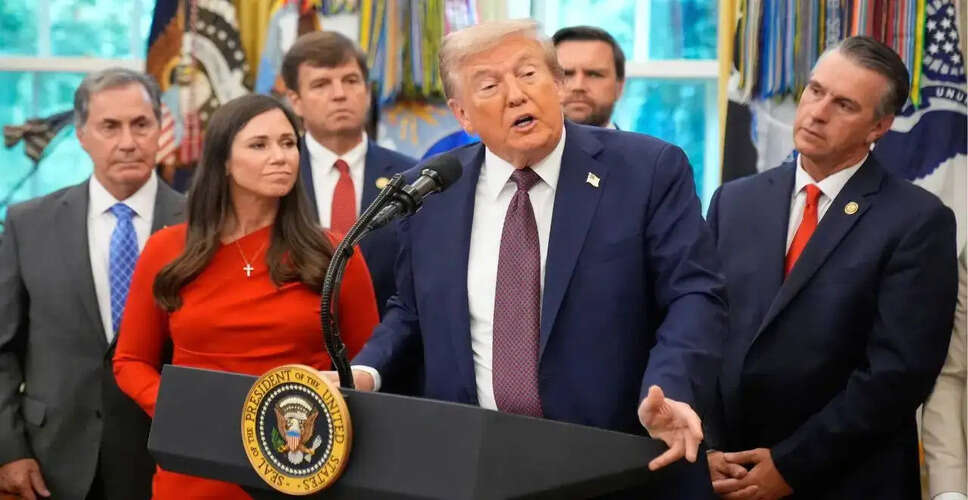
Advisors close to Donald Trump are recommending that the President contemplate a strategy to withdraw from the ongoing conflict with Iran. They caution that an extended war could lead to political repercussions and increased economic strain as oil prices escalate. On Monday, Trump indicated that he anticipates a swift resolution to the conflict, despite ongoing hostilities and heightened tensions in the area. While addressing the media in Florida, he stated that the U.S. military efforts have largely met their objectives, claiming, “We’re way ahead of schedule.” He expressed optimism that the conflict would conclude “very soon,” although he did not specify a timeline for the withdrawal from Iran.
When questioned about supporting Iranian citizens protesting against their government, Trump suggested that he favors a rapid end to the conflict over a prolonged effort to instigate regime change. He remarked, “We want a system that can lead to many years of peace, and if we can’t have that, we might as well get it over with right now.”
These statements coincided with Iran's announcement of Mojtaba Khamenei, the son of the deceased Ali Khamenei, as the new supreme leader, which Washington interprets as a sign that Tehran is unlikely to relent. U.S. officials have indicated that a swift withdrawal may be challenging if Iran continues its regional attacks and Israel persists in targeting Iranian sites. Trump reiterated that the U.S. would maintain its focus on Iran if it obstructs oil shipments through the crucial Strait of Hormuz.
A senior official from the administration noted that Trump would not conclude military operations until he could declare a satisfactory victory, especially while the U.S. holds a military edge, as reported by a major news outlet. The White House has countered claims that advisors are advocating for a quick exit, with press secretary Karoline Leavitt stating, “This story is full of crap from anonymous sources who, I can guarantee, are not in the room with President Trump.” She emphasized that the President’s senior aides are dedicated to ensuring the success of Operation Epic Fury, with the timing of any conclusion ultimately resting with the commander in chief.
Trump's statements regarding the war have been inconsistent. Recently, he demanded Iran’s “unconditional surrender” and did not dismiss the possibility of deploying U.S. ground troops, although he later clarified that he was “nowhere near” making such a decision.
During the conflict, oil prices briefly surged past $100 per barrel, raising alarms among some of Trump’s supporters about the implications of rising fuel costs and potential political fallout ahead of upcoming elections. Economic advisor Stephen Moore cautioned that increasing gas and oil prices could have a significant impact on Americans, stating, “When the price of gas and oil rise, so does everything else. Given affordability was already an issue, this leads to real challenges.” Since the conflict's onset on February 28, the United States has conducted thousands of strikes on Iranian military installations, missile sites, and government targets, according to U.S. officials. In retaliation, Iran has launched missile and drone attacks on U.S. bases and regional infrastructure.