
Trump Sets Conditions for Ending Conflict with Iran Amidst Oil Crisis
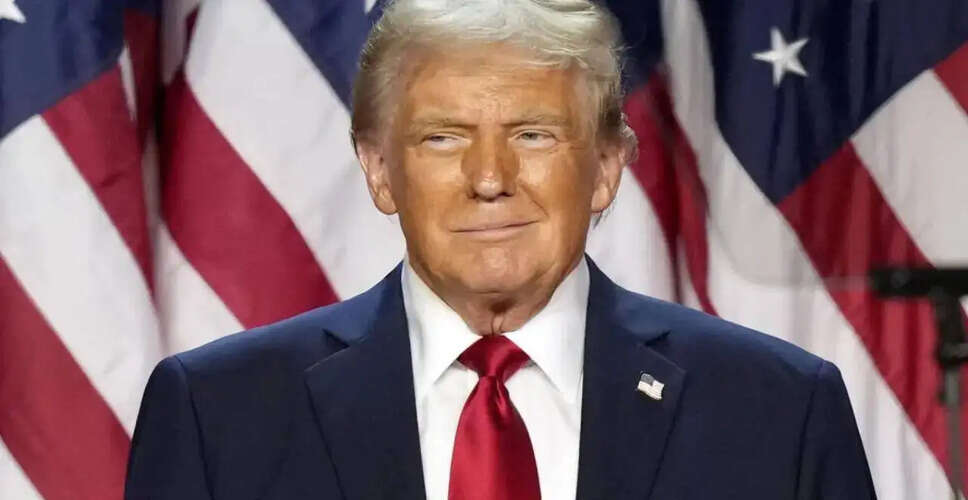

Trump's Stance on Iran Conflict
During an appearance on Fox News Sunday, Donald Trump outlined his terms for concluding the ongoing conflict with Iran, emphasizing that the primary condition is Iran's commitment to not pursue nuclear weapons. He stated, "They know what has to be in the agreement. It's very simple: They cannot have a nuclear weapon, otherwise there's no reason to meet." When asked how Iran could initiate communication, Trump responded straightforwardly, suggesting they could reach out via phone, highlighting the availability of secure lines.
This statement followed Trump's decision to cancel a planned visit to Islamabad by his envoys, Steve Witkoff and Jared Kushner, who were supposed to engage with Iranian officials. Trump criticized the trip as excessively lengthy and costly, remarking that he would not send his team on a 15 to 16-hour flight to meet with individuals he deemed unfamiliar.
Nuclear Negotiations Stalemate
The Nuclear Sticking Point
The issue of uranium enrichment has consistently been a significant hurdle in negotiations with Iran. Tehran asserts its right to enrich uranium, claiming its program is solely for peaceful purposes. However, Western nations, including the U.S., contend that this program serves as a facade for developing nuclear weapons capabilities. Trump's remarks left no doubt about the U.S. position: a nuclear-armed Iran is unacceptable, and any discussions that do not address this concern are futile.
Iran's Oil Infrastructure at Risk
Here Is What Else You Need To Know
In the same interview, Trump highlighted a pressing issue regarding Iran's oil infrastructure, warning of imminent physical failures. Due to the U.S. blockade of the Strait of Hormuz, Iranian oil exports have been halted, forcing the country to store oil domestically, which is quickly reaching capacity. Trump indicated that Iran has approximately three days before its oil pipelines could explode due to the pressure from the backlog. He stated, "Once it (the pipelines) explode, you can never rebuild it the way it was. They are under pressure." When questioned about China's role in assisting Iran, Trump noted that Beijing's involvement has been less extensive than anticipated, expressing that he was not overly disappointed.
Iranian Diplomacy Continues
Araghchi Keeps Moving
Meanwhile, Iranian Foreign Minister Abbas Araghchi is continuing his diplomatic efforts, having recently visited Pakistan and Oman, and is now en route to Moscow to meet with President Vladimir Putin. Reports from Iranian and Russian media indicate that Araghchi has proposed a "workable framework to permanently end the war on Iran," although specifics were not disclosed. This visit to Russia concludes a week of diplomatic activity from Iran, contrasting with the American negotiating team, which remained at home.
Current Situation Overview
Where Things Stand
A ceasefire has temporarily halted large-scale hostilities since the conflict escalated with U.S. and Israeli strikes on Iran on February 28. However, this ceasefire does not equate to a peace agreement, and significant differences between the two sides persist. The ongoing war has resulted in numerous casualties, increased oil prices, heightened inflation, and cast uncertainty over the global economic landscape.