
Trump Responds to Iran's Maritime Charges in Strait of Hormuz

US President's Statement on Strait of Hormuz
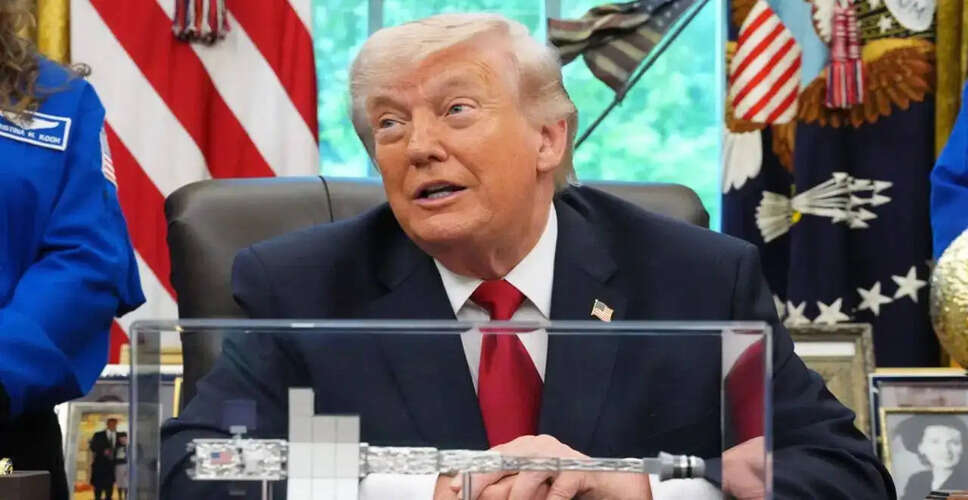
On Saturday, US President Donald Trump announced that no tolls would be levied on ships navigating the Strait of Hormuz. This statement came in light of reports suggesting that Iran might impose maritime fees following a 60-day ceasefire. Trump shared his remarks on Truth Social, asserting, "There will be no tolls in the Hormuz Strait for 60 days during the ceasefire, and no tolls will be imposed thereafter unless by the US." Meanwhile, Iran reportedly closed the Strait of Hormuz again, citing ongoing ceasefire violations in Lebanon.
The Khatam al-Anbiya Central Headquarters of Iran stated that the closure was due to the US's failure to uphold the initial terms of a peace agreement. They also pointed to Israel's ongoing violations of the ceasefire in southern Lebanon and its lack of withdrawal from the region. Trump's comments followed Iran's announcement of plans to implement a system of maritime fees in this crucial waterway after a 60-day negotiation period stemming from a memorandum of understanding with the US.
According to a document shared with shipping industry leaders, Iran's Persian Gulf Strait Authority (PGSA) mandated that all vessels using the strait must possess a valid insurance policy sanctioned by the agency. Initially, this insurance would be provided at no cost, but the PGSA indicated it might introduce fees in the future, determined by the relevant insurers. As part of the US-Iran peace deal, Tehran committed to restoring vessel traffic through the Strait of Hormuz to pre-conflict levels and not charging ships for passage during the first 60 days of the agreement. This strait is vital for global shipping, previously facilitating about one-fifth of the world's oil and liquefied natural gas supplies.
The potential for future insurance fees has raised alarms in the shipping sector, suggesting that Iran may be attempting to establish a new regulatory framework requiring vessels to pay for transit. An Iranian official, as reported by the Financial Times, stated, "The memorandum of understanding is explicit. For 60 days from the MoU's activation, vessel traffic will incur no charges." The official further noted that after this period, Iran and Oman would negotiate a future arrangement likely involving service fees and safe passage costs.
Oman, which has territorial waters adjacent to the strait, previously indicated it would not impose tolls. However, sources informed the Financial Times that Muscat is contemplating "lawful charges" for services such as environmental protection and enhanced navigational management, including pilotage and security. Additionally, two sources revealed that Iran fired warning shots at ships in the Strait of Hormuz on Friday. Tehran also sent a radio message to vessels, stating: "The Strait of Hormuz will remain closed until Israel withdraws from Lebanon, the naval blockade is lifted, and American forces depart." The message warned vessels to steer clear of the strait for their safety, threatening action against those who do not comply.
Iran had previously suggested a fee of $2 million in cryptocurrency for passage through the strait. Neither Iran nor the US is a signatory to the UN Convention on the Law of the Sea. Under the interim agreement, Iran is expected to engage in further discussions with Oman and other Gulf nations to establish future governance of the Strait of Hormuz and the maritime services offered there. The agreement stipulates that any future arrangements must align with international law and the sovereign rights of coastal nations.