
Trump Proposes Major NATO Overhaul Amid Ongoing Iran Conflict
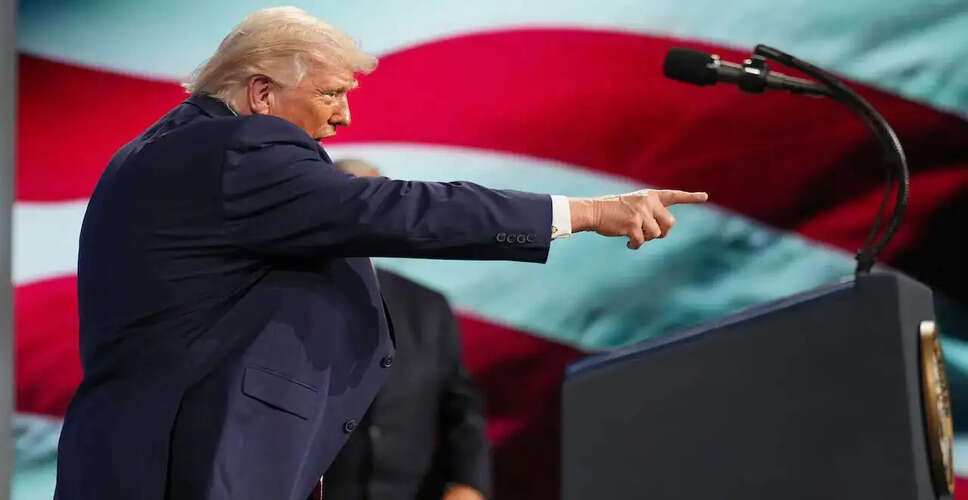
Trump's Discontent with NATO Support
President Donald Trump is reportedly contemplating significant changes to NATO's operational framework due to his dissatisfaction with the alliance's lack of support during the ongoing conflict in Iran. Throughout the month-long Gulf war, Trump has reached out to NATO allies, including the UK, France, and Germany, seeking assistance and access to their military bases to secure the Strait of Hormuz. However, these nations have largely declined to intervene, stating that the conflict does not concern them, which has left Trump frustrated. He has criticized NATO, labeling it a 'paper tiger' and questioning its resolve, while also warning allies that he will remember their lack of support.
As tensions escalate with daily exchanges of fire between Iran and Israel, reports indicate that Trump may propose a 'pay-to-play' model for NATO. This would require member countries to allocate 5% of their GDP to defense spending, or risk losing influence over critical decisions, including military actions.
Furthermore, Trump has threatened to cut U.S. funding to NATO allies that do not meet this new spending threshold, which is an increase from the previous requirement of 2%. He is now advocating for 3.5% to be dedicated to military capabilities and 1.5% for infrastructure.
Challenges Ahead for NATO Allies
Will NATO Allies Comply with Trump's Demands?
Meeting the 5% GDP spending requirement would be a significant commitment for any nation, especially under Trump's unpredictable leadership. Previously, he requested a 2% contribution, and now he has raised it to 5%, leaving many to wonder what future demands might arise.
Trump's Mixed Messages During the Iran Conflict
Despite deploying thousands of additional troops to the Middle East, Trump claims the U.S. is winning the war against Iran. He has criticized NATO countries for their lack of support, only to later assert that he does not require their help. Trump has also postponed deadlines for Iran to reopen the Strait of Hormuz, threatening to 'obliterate' Iran's energy facilities if the waterway remains closed, while simultaneously stating that the U.S. is 'not affected' by the situation.
At one point, Trump suggested that a former Democratic president had expressed regret for not taking similar actions against Iran, a claim that representatives for all living former presidents have denied. As the conflict enters its second month, Trump's tendency for exaggeration and embellishment is being scrutinized in a high-stakes environment.
With inputs from various sources