
Trump Justifies Return of Frozen Iranian Assets Amid Financial Trust Concerns

Trump's Defense of Returning Iranian Funds
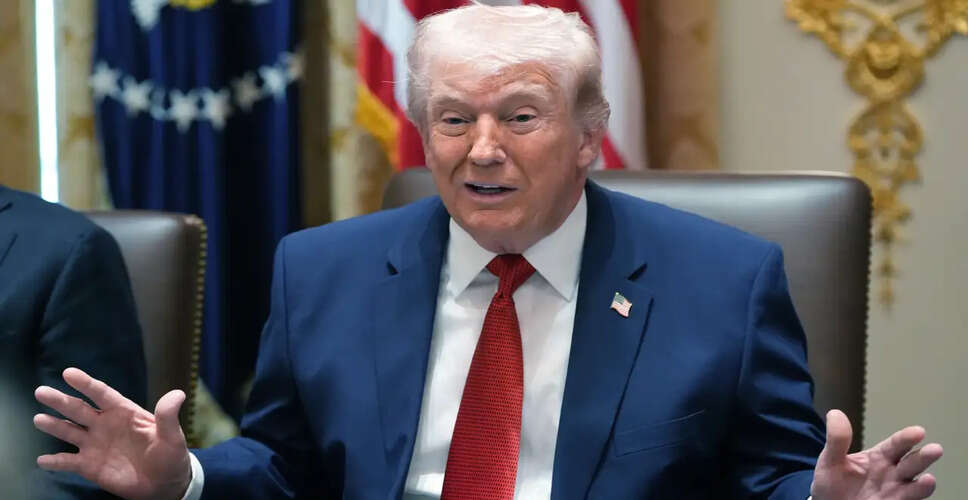
During a recent press conference at the G7 Summit in France, US President Donald Trump addressed the contentious issue of returning frozen Iranian assets. He emphasized that holding onto another nation's funds indefinitely could erode trust in the US dollar and the broader global financial framework. Trump acknowledged that while the US had frozen significant Iranian funds, these assets rightfully belong to Iran. He stated, 'We have taken their money; it's not ours, and we froze it. Eventually, we will have to return it. If we don't, it could deter future investments in the dollar.'
Trump further elaborated that although retaining these funds might appear politically advantageous, it could ultimately weaken confidence in the US financial system. He reflected on the implications of keeping the money, saying, 'If we keep their money, what message does that send? Nations, even those we don't see eye to eye with, have their funds tied up, and the strength of the dollar is crucial for international relations.'
His comments come as the US and Iran progress towards a 14-point memorandum of understanding (MoU) designed to de-escalate tensions. This agreement outlines measures to reopen the Strait of Hormuz and initiate a 60-day negotiation period regarding sanctions relief and Iran's nuclear ambitions. Reports indicate that the MoU stipulates that Iran's frozen or restricted funds will be accessible once the agreement is enacted, with further discussions planned to finalize the asset release process.