
Trump Issues Urgent Warning to Iran Amid Energy Crisis and Negotiation Tensions
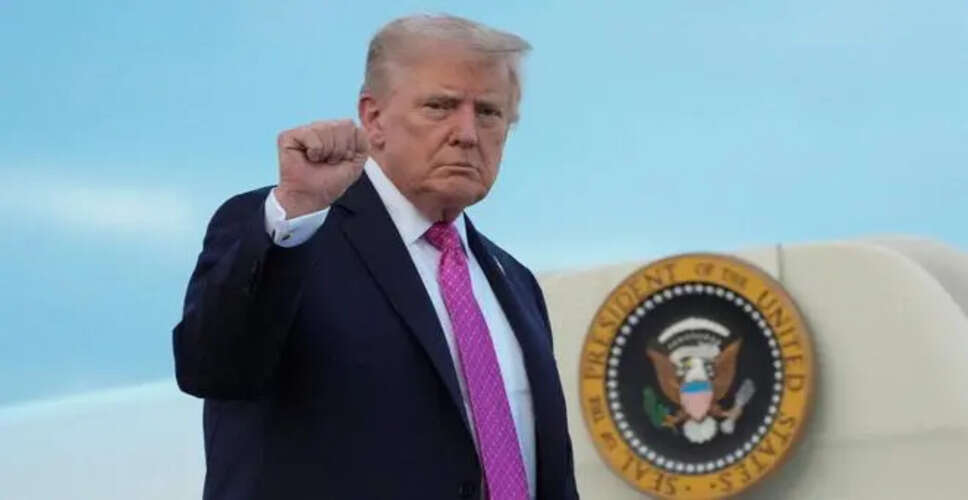
Trump's Stark Message to Tehran
New York: Amid an ongoing energy crisis triggered by the partial closure of the Strait of Hormuz, President Donald Trump issued a warning on Thursday, emphasizing that Iran must act swiftly to engage in serious negotiations.
In response to a 15-point peace proposal from the United States, Iran presented a five-point plan, as reported by the Iranian news agency Tasnim.
Trump expressed on Truth Social that Iran needs to take decisive action soon, stating, "Once that happens, there is no turning back, and it will not be pretty."
He characterized the Iranian negotiators as "very different and strange," suggesting they were "begging" for a deal while publicly claiming to consider U.S. proposals.
During an open cabinet meeting, he remarked, "We will see if we can make the right deal, and they make the right deal, and then the strait will open up."
Maintaining access to the Strait, which is crucial for 20% of global fossil fuel supplies, has become a significant concern for the U.S. and other nations affected by the disruption.
Trump also noted, "Even now, we do not know if there are any mines."
In related news, Israel announced the killing of Alireza Tangsiri, a senior officer in the Islamic Revolutionary Guards Corps navy, during a strike on Thursday.
According to Tasnim, Iran's formal five-point response to the U.S. proposal was communicated through intermediaries.
Iran's demands included recognition of its sovereignty over the Strait of Hormuz, an end to the assassination campaign against its leaders, inclusion of resistance groups in the peace agreement, and reparations for damages.
The U.S. plan reportedly called for the opening of the Strait of Hormuz, the cessation of Iran's nuclear program, and the dismantling of its ballistic missile capabilities.
Tasnim cited sources expressing skepticism about the sincerity of the U.S. negotiation offer, viewing it as a tactic to lower oil prices and prepare for potential aggressive actions.
Trump mentioned that Vice President JD Vance and Secretary of State Marco Rubio would join his envoy, Steve Witkoff, and son-in-law, Jared Kushner, in the discussions.
He refrained from naming the Iranian negotiators, stating, "We are dealing with the man who I believe is the most respected and the leader."
Trump cautioned that revealing the identities of the interlocutors could put them at risk of assassination by Iranian or Israeli forces.