
Trump Issues Stark Warning to Iran Over Oil Pipeline Risks
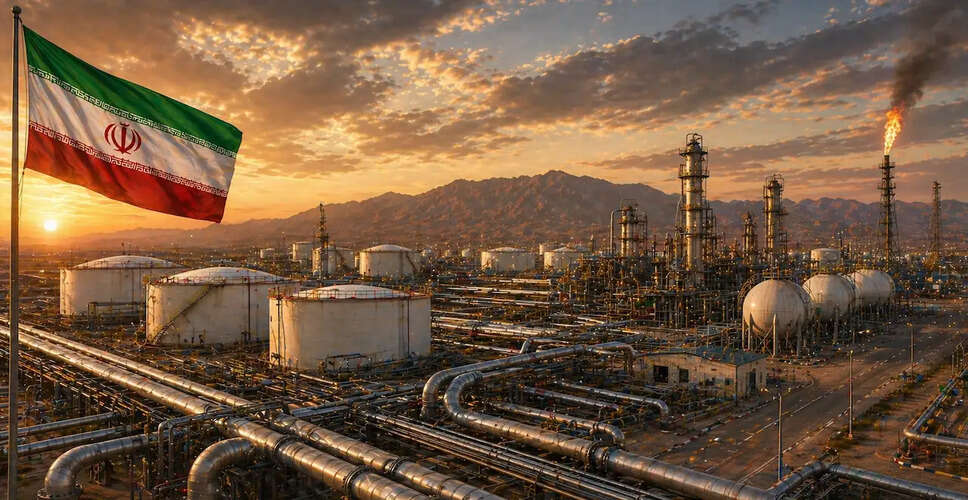

Trump's Ultimatum to Iran
In a recent statement, Donald Trump warned Iran that their oil pipelines could face catastrophic failures within three days if a deal is not reached. Speaking to a media outlet, he emphasized that the ongoing US naval blockade has led to a dangerous buildup of oil, which could result in mechanical failures and explosions within the pipelines if the flow is not restored. Trump elaborated that the pressure from the oil buildup could lead to irreversible damage, stating, "They say they have only three days before this happens, and when it explodes, they can never rebuild it, the way it was. It will only be about 50 percent of what it is right now." He believes this situation is putting significant pressure on Iran.
timesnow
2048449983335071842
However, experts in energy and engineering have expressed skepticism regarding Trump's claims. They argue that pipelines are equipped with safety mechanisms designed to prevent dangerous pressure levels. Typically, if oil cannot be transported, production is halted at the source. Some analysts suggest that Iran has sufficient inland storage for 2-3 months before needing to significantly reduce production.
Current Status of US-Iran Relations
Ceasefire Extended
Last week, Trump extended the ceasefire agreement between the US and Iran, which was initially established on April 7, effectively halting the hostilities that began with US-Israeli military actions on February 28. Despite this, a permanent resolution to the conflict remains elusive, with thousands of casualties and significant economic repercussions.
Strait of Hormuz Tensions
The Strait of Hormuz continues to be a focal point of tension, as Iran limits access while the US maintains a blockade on Iranian ports. Iran is reportedly seeking Oman's assistance to implement a toll collection system for vessels navigating the strait, which is crucial for global oil transport.
Iran's Conditions for Negotiations
According to a mediator involved in the discussions, Iran is insisting on the lifting of the US blockade before entering into further negotiations. Iran's Foreign Minister has also been in contact with officials from Qatar and Saudi Arabia to discuss the situation.
Trump's Comments on Iran's Proposal
As the economic impact of the conflict escalates, Trump revealed that Iran had presented a "much better" proposal shortly after he canceled a trip to Islamabad. He reiterated that a key condition for any agreement is that Iran must not develop nuclear weapons. The UN nuclear watchdog has reported that Iran possesses 440 kilograms of uranium enriched to 60% purity, which is close to weapons-grade levels.
Political analyst Syed Mohammad Ali noted that while the delay in negotiations may seem discouraging, indirect talks are progressing. He emphasized that easing tensions between Washington and Tehran will take time and patience, but the ongoing ceasefire indicates a mutual desire to resolve the conflict without domestic backlash.
With inputs from various sources