
Trump Implements New Travel Restrictions Amid National Security Concerns
New Travel Ban Announced
In a move citing national security, President Donald Trump declared on Wednesday that citizens from 12 nations will be prohibited from entering the United States, while travelers from seven additional countries will face new restrictions starting Monday.
The nations affected by the travel ban include Afghanistan, Myanmar, Chad, the Republic of Congo, Equatorial Guinea, Eritrea, Haiti, Iran, Libya, Somalia, Sudan, and Yemen.
Increased restrictions will also apply to individuals from Burundi, Cuba, Laos, Sierra Leone, Togo, Turkmenistan, and Venezuela.
This directive is part of an immigration enforcement initiative initiated by Trump during his second term, which includes the deportation of numerous Venezuelans to El Salvador due to alleged gang affiliations, as well as efforts to prevent certain foreign students from enrolling in U.S. educational institutions and deporting others.
Trump's Justification and Future Considerations
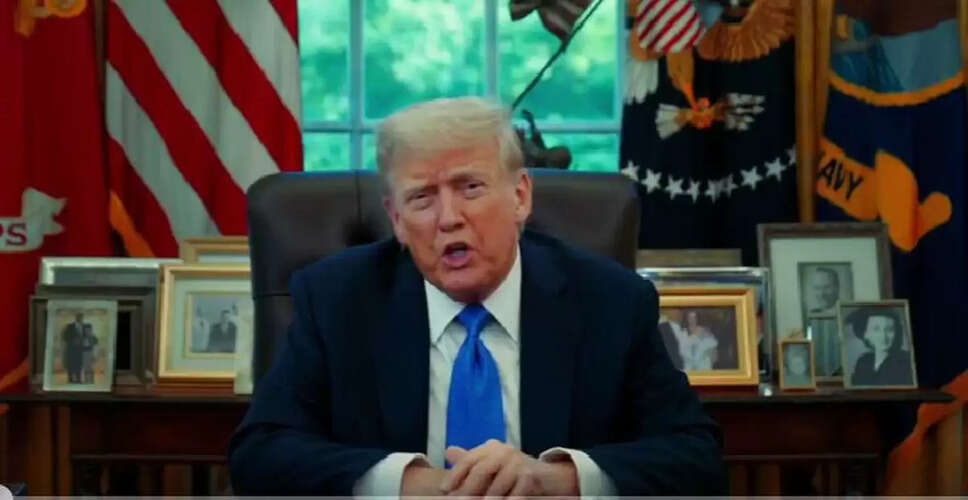
In a video shared on social media on Thursday, Trump stated that the intensity of the restrictions would correlate with the level of threat perceived. He noted that the list could be updated if conditions improve, while also indicating that additional countries might be included if new threats arise.
Trump linked the new travel limitations to a recent terror incident in Boulder, Colorado, where the suspect was identified as an Egyptian national who allegedly overstayed his visa. Notably, Egypt is not included in the restricted countries.
The White House explained that some nations on the list were deemed to have inadequate screening and vetting processes, or had exploited the U.S. visa system and failed to accept back their nationals who were subject to removal.
Trump emphasized, “We don’t want them.” He claimed that during his first term, his stringent travel restrictions were among the most effective policies in preventing significant terror attacks on American soil.
Historical Context of Travel Bans
Previously, Trump had enacted a similar travel ban in 2017 during his first term, which underwent several revisions before being upheld by the Supreme Court in 2018. Critics at that time labeled it a “Muslim ban” due to the initial list comprising predominantly Muslim-majority countries. This list was later modified to include two non-Muslim-majority nations, North Korea and Venezuela.
However, the ban was rescinded in 2021 by President Joe Biden, who referred to it as a “stain on our national conscience.”
On Thursday, Trump asserted that the countries selected for the ban were based on an assessment by the Department of Homeland Security, which took into account factors such as the presence of terrorists, cooperation on visa security, and high rates of illegal visa overstays.
White House Spokeswoman Abigail Jackson stated, “President Trump is fulfilling his promise to protect Americans from dangerous foreign actors that want to come to our country and cause us harm.”
Exemptions and Special Cases
The White House proclamation clarified that certain travelers from the listed countries would be exempt, including athletes participating in major sporting events like the 2026 World Cup and the 2028 Summer Olympics, Afghan nationals with Special Immigrant Visas, and lawful permanent residents of the U.S.
Additionally, individuals holding immigrant visas for ethnic and religious minorities facing persecution in Iran, as well as those with dual citizenship in countries not affected by the ban, will also be exempted.
Furthermore, the U.S. Secretary of State may grant exemptions on a case-by-case basis if it serves the national interest of the United States.