
Trump Eyes Iran as New Market for U.S. Agricultural Exports Amid Relief Plans for Farmers
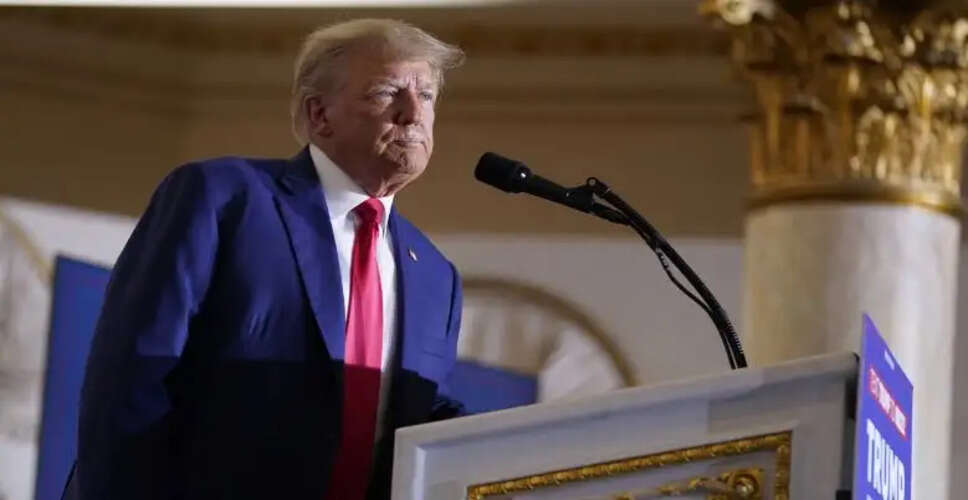

Trump's Vision for Agricultural Exports
Washington: President Donald Trump has indicated that Iran could emerge as a vital new market for U.S. agricultural exports as his administration engages in negotiations with Tehran following recent military actions. He also announced an additional $11 billion in aid for American farmers.
During a White House dinner honoring farmers, Trump stated that the administration is preparing to boost agricultural exports to Iran and urged Congress to approve new financial support for producers impacted by previous regulations.
Trump remarked, "We have a new market emerging, and that’s the beautiful country of Iran."
He described Iran as a potential customer for U.S. agricultural products, noting, "They are struggling with food shortages, and we will be utilizing some of their funds to purchase wheat, soybeans, and corn. This initiative will commence soon and is expected to be substantial."
Vice President JD Vance previously mentioned that Iran would be allowed to use released frozen assets to buy American agricultural products, although Iranian officials have not confirmed this arrangement.
Trump also called on Congress to approve an additional $11 billion in assistance for farmers, asserting that this funding would help offset losses incurred due to regulations from the previous administration.
He stated, "We have urged Congress to pass a supplemental funding bill that will allocate $11 billion for specialty crops and support our agricultural producers in recovering from the losses caused by the Biden administration's detrimental regulations."
Agriculture Secretary Brooke Rollins will manage the distribution of this assistance, according to Trump, who added, "We are set to deliver an $11 billion relief payment to our farmers."
The President claimed that his administration has successfully expanded international markets for American agricultural products, citing increased dairy exports to Europe, Australian approval of U.S. beef imports after a 25-year hiatus, and China's commitment to purchasing American agricultural goods.
He also pointed out domestic policies benefiting farmers, such as raising the estate tax threshold, eliminating the federal electric vehicle mandate affecting farm equipment, allowing year-round sales of E15 fuel, and rolling back the environmental regulation known as "Waters of the U.S."
Trump defended the military actions against Iran, asserting that they have strengthened Washington's negotiating stance.
He stated, "We had to make a significant shift. We must engage with the Islamic Republic of Iran, or they will acquire a nuclear weapon."
He added, "We dealt them a significant blow, and now we are negotiating from a position of strength."
During his remarks, Trump also mentioned that the Strait of Hormuz has reopened to record oil shipments and briefly discussed U.S. assistance to Venezuela following an earthquake.
The White House event gathered senior officials, lawmakers, and agricultural leaders, including Agriculture Secretary Brooke Rollins, Treasury Secretary Scott Bessent, Interior Secretary Doug Burgum, Health Secretary Robert F. Kennedy Jr., and CMS Administrator Mehmet Oz, along with governors and representatives from key agricultural states.
Guests at the dinner enjoyed produce-themed dishes and received organic garden seeds and tomato jam prepared by White House chefs as gifts.
The United States has historically been one of the largest exporters of wheat, corn, and soybeans globally. American agricultural exports have often played a crucial role in U.S. trade diplomacy, with successive administrations leveraging food exports as part of broader economic and foreign policy strategies.