
Trump Defends His Approach to Iran Conflict, Claims No Limits to Power
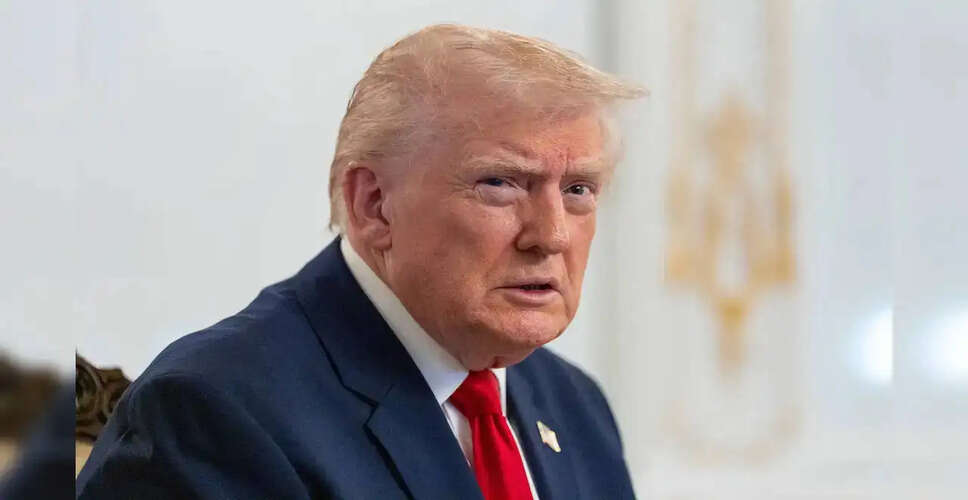

Trump's Stance on Power and the Iran Conflict
In a recent interview, former President Trump strongly rejected the notion that the Iran conflict revealed any limitations to his authority. Speaking with Axios, he asserted that he continues to operate without constraints, despite the war concluding in a manner that diverged from his initial expectations.
From Absolute Demands to a Modest Agreement
Initially, Trump demanded Iran's unconditional surrender at the onset of the war. However, the resolution came in the form of a limited memorandum of understanding, which was a far cry from his original demands. Trump explained to Axios reporter Marc Caputo that he opted for negotiations to prevent a potential global economic downturn, yet he dismissed any implication that this experience had humbled him.
Trump's Perspective on Military Strength
During the interview, Trump maintained that the outcome of the conflict did not signify a retreat from his goals. He claimed, "we defeated them totally militarily," and suggested that the memorandum could be interpreted as an unconditional surrender, despite its actual terms being less definitive. He highlighted the effectiveness of the naval blockade as evidence of American military strength, stating, "Who else could have done a blockade like that?"
Rationale Behind His Approach
Trump elaborated on his decision to halt military actions, countering critics who advocated for a more aggressive stance against Iran. He articulated that intensifying the bombing campaign would have resulted in prolonged closure of the Strait of Hormuz, severely impacting oil access. He warned that continued military action could lead to a global economic crisis.
Concerns Over Global Oil Reserves
Behind closed doors, Trump has expressed worries about dwindling global oil reserves, as reported by sources familiar with his views. The concern was that a sustained closure of the Strait of Hormuz could lead to a significant global oil crisis. This apprehension likely influenced his decision to accept a more achievable agreement rather than pursuing the expansive deal he initially envisioned.
Final Thoughts on Power Dynamics
Despite the compromises made, Trump insisted that the entire situation showcased his power rather than revealing any limitations. It is important to note that the Strait of Hormuz was operational prior to the commencement of the US and Israeli bombing campaigns, raising questions about the actual achievements in reopening the strait.