
Trump Criticizes Israeli Strikes Amid Iran Deal Negotiations

Trump's Reaction to Israeli Attacks
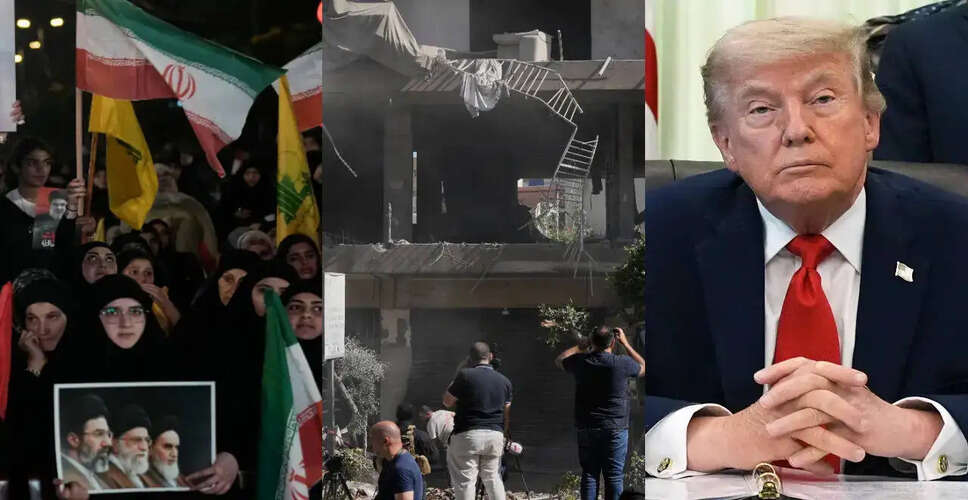
On Sunday, Donald Trump expressed strong disapproval of Israel's recent airstrikes targeting Beirut, Lebanon, emphasizing that such actions were inappropriate, especially as the United States was nearing a significant agreement with Iran. The Israeli strikes occurred shortly after Trump announced that a deal with Iran was expected to be signed on the same day, coinciding with his 80th birthday. However, Iranian officials dismissed Trump's claims, stating that while discussions were progressing, no signing would occur that day.
Speculations Surrounding the Iran Deal
Trump's Birthday Plans and the Iran Deal
As the day unfolded, speculation grew regarding the potential signing of the Iran deal. However, ongoing hostilities between Israel and Lebanon complicated matters, diminishing hopes for an agreement. Following Hezbollah's attacks on Israel, Israel retaliated with strikes in Beirut, resulting in casualties and escalating tensions.
Iran responded to the Israeli actions with threats of retaliation, criticizing the U.S. for its perceived inability to uphold commitments. Iranian Parliament Speaker MB Galibhaf stated that the continued Israeli aggression would hinder any potential deal.
Trump's Statements on the Situation
Trump's Call for Restraint
In a post on Truth Social, Trump urged for restraint, stating that the attack on Beirut was unwarranted, particularly during a critical negotiation period. He emphasized the importance of avoiding further violence from both Israel and Hezbollah, suggesting that peace could be achieved if all parties cooperated.
Later, Trump reiterated his belief that the Iran deal was still on track, despite the recent violence, and expressed optimism about its imminent signing.
Details of the Proposed Iran Deal
Key Elements of the Agreement
While the specifics of the deal remain unclear, reports indicate that it includes provisions for a ceasefire, security guarantees, and the release of Iranian assets. The U.S. is expected to ensure that military operations against Iran and Lebanon cease, while also facilitating the release of some of Iran's frozen assets to foster economic exchanges.
Israel's Position and Regional Implications
Israel's Discontent with the Negotiations
The emerging agreement has raised concerns within the Israeli government, which feels sidelined in the negotiations. Israeli Prime Minister Netanyahu has faced pressure from Trump to refrain from aggressive actions against Lebanon, but has continued military operations in response to Hezbollah's provocations.
Iranian officials have made it clear that Lebanon is a critical aspect of their security strategy, warning that any violations of their 'red lines' would not be tolerated.