
Trump Criticizes Allies Over Iran Conflict Support
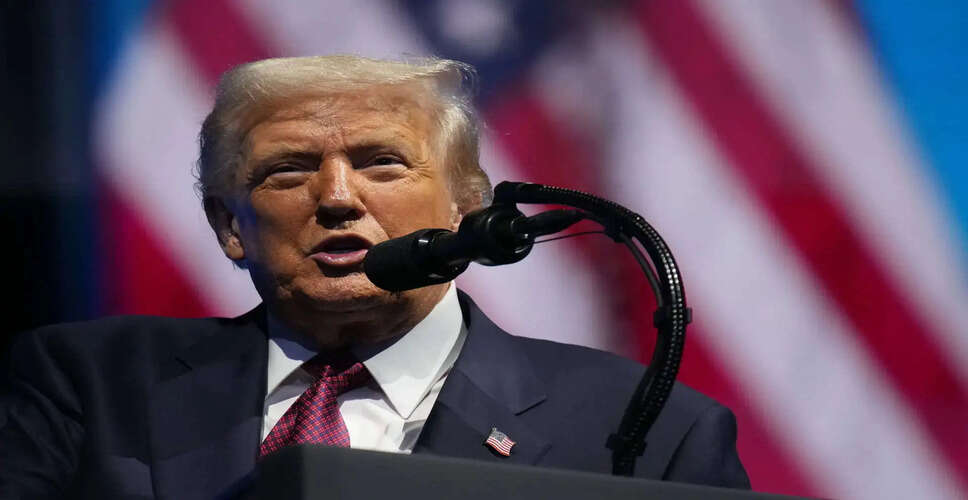

Trump's Strong Words for Allies
On Tuesday, President Donald Trump expressed frustration towards U.S. allies for their insufficient backing in the ongoing conflict with Iran. He suggested that nations facing fuel shortages should take matters into their own hands, stating, "Countries like the United Kingdom, which opted out of intervening against Iran, should consider purchasing oil from the U.S. or muster the courage to secure it themselves. The U.S. will no longer be there to assist, just as they did not support us. Iran has already suffered significant losses; the hard part is over. Go get your own oil!"
In a separate post, Trump criticized France for not allowing military supply flights to Israel to traverse its airspace, labeling the country as "very unhelpful" regarding the situation with Iran. He emphasized that the U.S. would remember this lack of cooperation.
The French military previously stated that it permitted U.S. Air Force operations at the Istres base under the condition that only non-strike missions would utilize the facility.
Additionally, Italy has denied U.S. military access to the Sigonella air base in Sicily for operations related to the Middle East conflict, as confirmed by an official familiar with the situation. This refusal involved American aircraft, including bombers, which were scheduled to land before proceeding to the region. Despite this, the Italian government reassured that its alliance with the U.S. remains strong and based on mutual cooperation.
These remarks come as the conflict, now over a month old, escalates, impacting global energy supplies. Iran's dominance over the Strait of Hormuz, a crucial passage for approximately 20% of the world's oil, has led to a surge in prices, with Brent crude experiencing a notable increase since the onset of hostilities.
Recent U.S. airstrikes have targeted regions near Isfahan, which houses significant nuclear facilities, while Iran has retaliated by attacking regional energy assets, including a Kuwaiti oil tanker near Dubai.
The conflict, which began with U.S. and Israeli strikes on Iran in late February, has resulted in substantial casualties throughout the region. Iranian officials report over 1,900 fatalities, with additional deaths occurring in Israel, Lebanon, and Gulf nations.
In related developments, Trump has indicated to his advisors that he might consider halting military operations against Iran, even if the Strait of Hormuz remains largely blocked. Reports suggest that he is willing to postpone efforts to reopen the strait, as recent assessments indicated that such a mission could extend the conflict beyond his intended timeline of four to six weeks. Should this approach fail, Washington may urge its European and Gulf allies to take the initiative in reopening the vital waterway.