
Trump Claims Iran is Close to Nuclear Deal: What’s Next for US-Iran Relations?
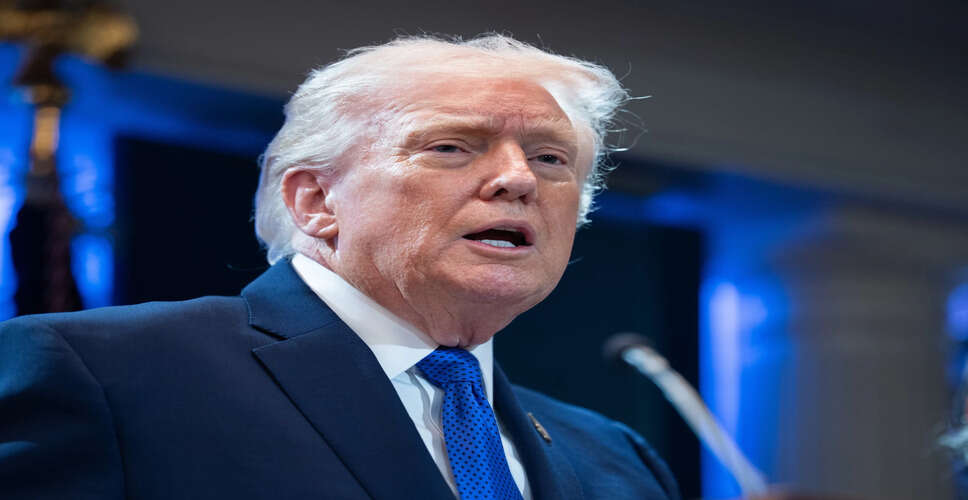

Trump's Optimism on Iran Nuclear Negotiations
In a recent interview, President Donald Trump expressed that Iran has nearly agreed to all the terms the US requires in discussions regarding its nuclear program. He emphasized that preventing Iran from acquiring nuclear weapons remains a top priority for his administration.
Trump stated, "We’re negotiating, and we’ll see whether or not. I think they’ve agreed to just about everything we need." He clarified that the goal is to ensure Iran does not possess nuclear capabilities rather than pursuing a military intervention.
When questioned about the possibility of regime change in Iran, Trump clarified that this was not his intention. "I’m not looking for regime change. I’m looking for something very simple. They cannot have a nuclear weapon," he asserted.
He noted that US military actions have significantly diminished Iran's military strength since his return to office, claiming, "I’ve defeated them militarily. They’re totally defeated militarily."
Trump recounted recent military strikes against Iran, stating, "I hit them three times last week very hard, because they sent a drone into a ship." He mentioned that these strikes were part of a broader strategy to maintain pressure on Tehran.
Additionally, he claimed to have implemented a naval blockade that effectively restricted Iranian access to international waters, stating, "We have the greatest navy in the world. Not one ship got through to Iran."
Trump argued that these actions have severely impacted Iran's economy, citing a staggering inflation rate of 300%.
Looking ahead, he suggested that if negotiations yield positive results, the US could become a supplier of agricultural products to Iran, stating, "They need food. They need corn, wheat, and soybeans, and we’re going to have exclusively our American farmers provide that."
He also defended US operations in the Strait of Hormuz, claiming they played a crucial role in stabilizing global oil prices, stating, "Every night, we were taking ships out through the South… We escorted them out, and nobody knew."
While the US and several Western nations remain skeptical of Iran's nuclear ambitions, Tehran insists that its nuclear program is solely for peaceful purposes.