
Trump Celebrates Oil Price Drop Following US-Iran Talks in Switzerland
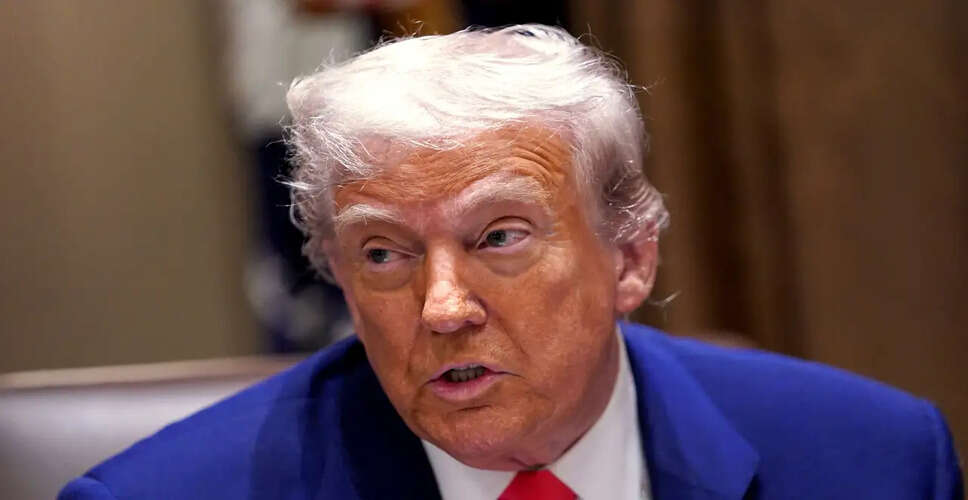

Trump's Optimism After US-Iran Negotiations
Following the conclusion of high-stakes discussions between the US and Iran in Switzerland, President Donald Trump expressed optimism on Tuesday, noting a significant drop in oil prices and declaring the world a safer place. On his platform, Truth Social, Trump remarked, "19 million barrels of oil passed through the Hormuz Strait yesterday, setting a new record. Oil prices are falling, and the world is much safer now." During the two-day negotiations, various topics were addressed, including the free navigation in the Strait of Hormuz, the status of frozen Iranian assets, and Tehran's nuclear ambitions.
Trump and JD Vance claimed that Iran had agreed to permit the International Atomic Energy Agency to inspect its nuclear facilities, a statement that Iran has since refuted. While Trump has asserted that Iran cannot impose tolls on vessels traversing Hormuz, the country has not fully committed to this stance.
Currently, both the US and Iran are observing a 60-day ceasefire, which has led to the unblocking of navigation in the Strait of Hormuz and a temporary lifting of oil sanctions on Iran, allowing it to sell oil during this period. Both nations have pledged to refrain from aggressive actions and work towards regional stability. Lebanon, often targeted by Israel due to its association with Iran's proxy, Hezbollah, is included in this interim agreement. Iran has firmly stated that for any peace deal to endure, Israel must refrain from military strikes, warning of retaliation if such actions occur.
Vance Reports Positive Developments in Iran Talks
On Monday, JD Vance shared that his extensive discussions with senior Iranian officials in Switzerland laid a "solid foundation for a successful final agreement" aimed at permanently ending the conflict initiated by the US and Israel on February 28. Vance and US representatives noted advancements on several fronts, including the establishment of mechanisms to keep the Strait of Hormuz open, a crucial route for global energy transport, and to address the ongoing clashes between Israel and Iranian-supported Hezbollah militants in southern Lebanon, where a ceasefire seems to be holding.
The interim agreement to cease hostilities in Iran, signed last week by US and Iranian leaders, outlines a 60-day negotiation period to tackle critical issues, including the future of Tehran's nuclear program, amid fears that Iran may intend to use it for military purposes, a claim the nation denies.
With inputs from AP