
Trump and Modi Discuss Iran Conflict and Strait of Hormuz in Recent Call

Key Discussion on Regional Stability
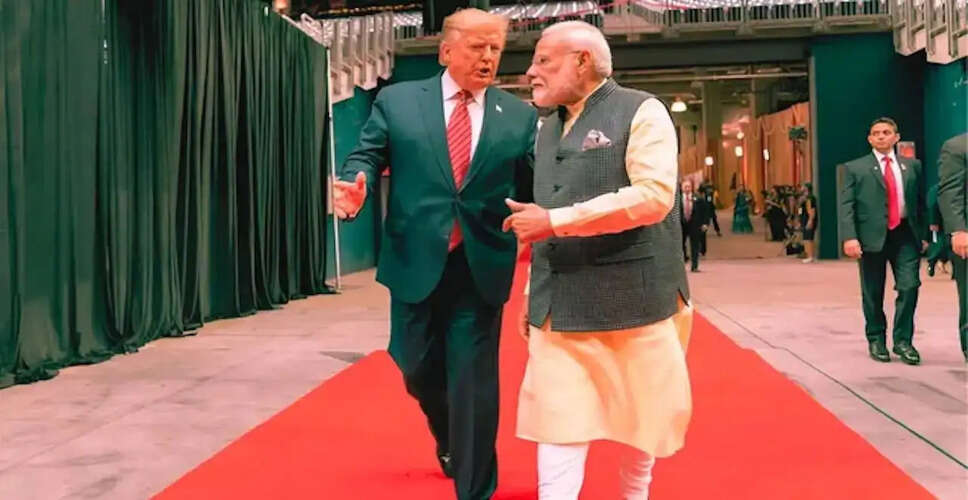
On Monday, US President Donald Trump engaged in a 40-minute phone call with Prime Minister Narendra Modi, primarily addressing the escalating tensions surrounding Iran and the strategic importance of the Strait of Hormuz, a vital route for global oil transportation. Both leaders acknowledged the deteriorating security landscape in West Asia and emphasized the necessity of keeping the Strait open for international maritime activities.
Prime Minister Modi later confirmed the conversation on social media, highlighting their shared views on the regional crisis and the critical need for peace and stability. He stated that ensuring the Strait remains open and secure is crucial for global energy security. Modi expressed, "I received a call from my friend President Donald Trump. We reviewed the substantial progress in our bilateral cooperation across various sectors and reaffirmed our commitment to enhancing our Comprehensive Global Strategic Partnership. We also discussed the situation in West Asia and the importance of maintaining the Strait of Hormuz's security."
US envoy Sergio Gor reported that Trump conveyed his affection for Modi, stating, "I just want you to know we all love you, Modi." He added that the India-US relationship is robust. A White House representative confirmed that the dialogue focused on regional stability amidst the ongoing Iran conflict and disruptions in maritime trade routes.
This conversation marks the third interaction this year between Modi and Trump, and the second since the escalation of the West Asia conflict following US-Israel strikes on Iran on February 28. Their initial discussion occurred on February 2 to announce advancements in a trade agreement, followed by another on March 24 to address the escalating situation in the region.
The latest call follows nearly 21 hours of direct negotiations between the United States and Iran in Islamabad, which ended without a resolution, raising concerns over a fragile two-week ceasefire. The talks concluded in a deadlock, with both parties attributing blame for the impasse and failing to resolve significant differences. US officials indicated that the discussions faltered after Iran declined to commit to halting its nuclear program. Conversely, Tehran accused Washington of obstructing the negotiations without clarifying the specific issues at hand.
US Vice President JD Vance remarked after the talks, "We need to see a clear commitment that they will not pursue a nuclear weapon or the means to rapidly develop one." On the Iranian side, parliamentary speaker Mohammad Bagher Qalibaf, who led the delegation, stated that the onus is now on Washington, saying, "It is time for the United States to decide whether it can earn our trust."