
Trump Administration Proposes New NDA Requirement for Federal Employees
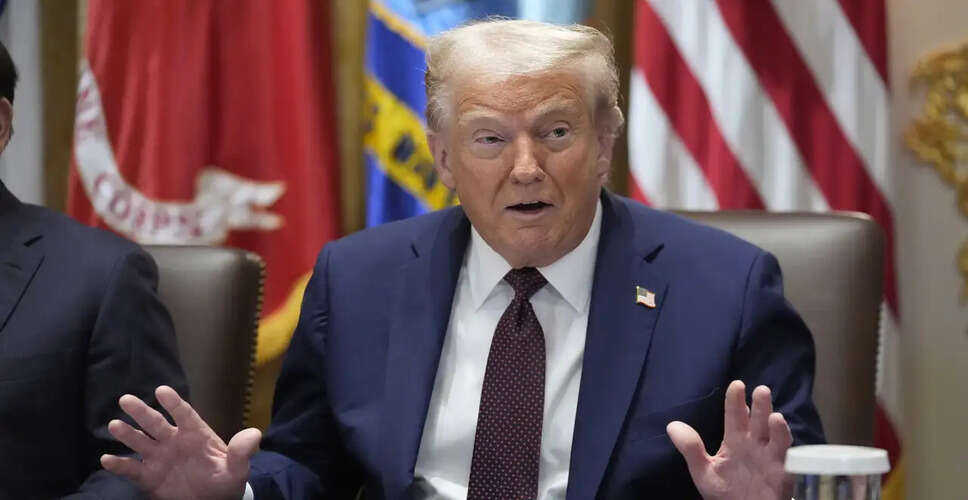

New NDA Proposal by the Trump Administration
The Trump administration has introduced a proposal mandating that all federal employees sign nondisclosure agreements (NDAs) as part of a comprehensive effort to curb unauthorized media leaks. This initiative, revealed by the Office of Personnel Management (OPM) on Tuesday, will affect both existing federal employees and new recruits in agencies that opt to implement this standardized agreement. The draft has been submitted to the Office of the Federal Register and is currently available for public comments for a period of 30 days before any final decisions are made.
The purpose of these agreements is to prevent the unauthorized sharing of sensitive government information, which includes internal policy discussions, ‘pre-decisional documents,’ and communications that occur during interagency coordination. The administration cited recent unauthorized disclosures related to military operations in Venezuela and immigration enforcement plans in the U.S. as reasons for this initiative.
Violating the proposed NDA could lead to disciplinary actions, which may include termination and disqualification from future federal employment or contractor roles, along with potential civil and criminal repercussions.
Understanding NDAs
A nondisclosure agreement, or NDA, is a legal contract that prohibits individuals from sharing confidential or sensitive information without proper authorization. These agreements are commonly utilized in the private sector to safeguard business operations, strategies, and customer data. Under the new proposal, ‘confidential government information’ would encompass non-public or proprietary materials related to internal agency functions, personnel issues, procurement processes, and sensitive discussions that are not publicly accessible.
Additionally, the proposal stipulates that former federal employees must obtain written consent from authorized officials before discussing any information covered by the NDA with journalists. OPM Director Scott Kupor supported the initiative, asserting that Americans should have confidence that their personal data and sensitive government information are managed responsibly.
However, labor advocates and free speech organizations have voiced concerns regarding the proposal, suggesting it may deter whistleblowers and instill fear among federal employees. The Freedom of the Press Foundation labeled the proposal as ‘dangerously secretive,’ while the nonpartisan Partnership for Public Service questioned the necessity of this policy given the existing laws that already regulate federal disclosures.
Current whistleblower protections, as outlined in the Whistleblower Protection Enhancement Act, allow federal employees to report misconduct, fraud, or abuse to Congress and agency inspectors general. The administration has indicated that these protections will remain intact. The draft also mentions Trump’s executive order that places the Department of Government Efficiency, previously linked to Elon Musk, in charge of optimizing workforce standards for federal employees.