
Transforming School Safety: The Role of Advanced Surveillance Technology in 2025
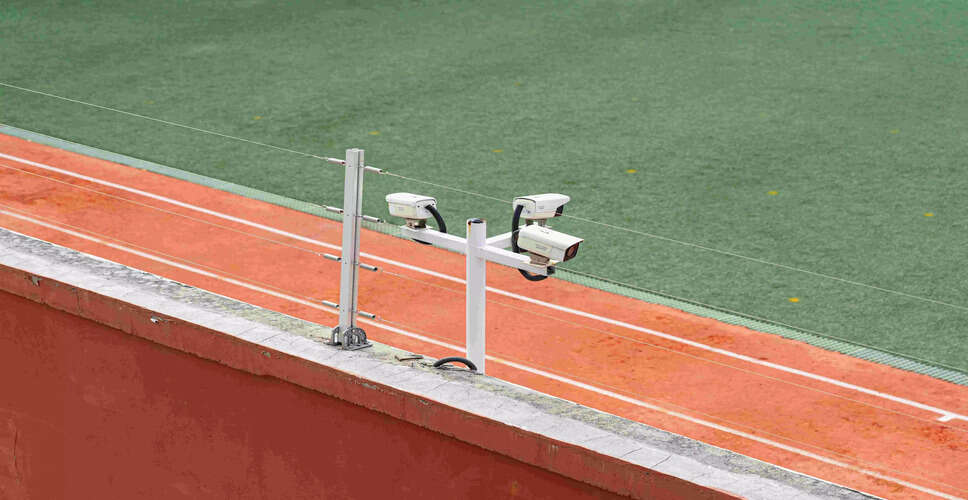
Revolutionizing School Security
Ensuring safety in schools has become a top priority for educators, parents, and policymakers. In 2025, the evolution of surveillance technology, especially school security cameras, is changing the landscape of campus safety. These systems now go beyond simple video recording, offering features like intelligent monitoring, real-time alerts for threats, and integration with comprehensive campus security frameworks.
1. Immediate Response Through Real-Time Monitoring
A significant trend in 2025 is the focus on real-time surveillance. Today's school security cameras deliver high-definition live feeds that can be accessed from centralized security rooms, mobile applications, or administrative dashboards. Platforms such as Coram enhance this functionality, allowing schools to monitor multiple camera streams from a single interface, securely share video clips via SMS or email, and set alerts for suspicious activities.
When behaviors like unauthorized access or loitering are detected, staff receive immediate notifications, enabling quick intervention before situations escalate. In emergencies, temporary access links can be provided to law enforcement for remote viewing of live footage, aiding in real-time assessment and response.
2. AI-Powered Threat Detection
Artificial Intelligence has become integral to school surveillance systems. AI-enabled cameras can now:
- Recognize faces against watchlists
- Identify unusual behavior patterns
- Detect unauthorized entries after hours
- Monitor high-risk areas for loitering
- Track irregular activities at entry and exit points
These features allow schools to shift from reactive to proactive safety management, providing intelligent alerts as incidents unfold rather than sifting through hours of footage post-incident.
3. Integration with Access Control Systems
In 2025, school security cameras are part of a broader integrated safety system. A key integration is with access control systems.
This synergy works as follows:
- When a door is accessed with a card, the nearest camera automatically logs the footage.
- Unauthorized attempts to enter restricted areas trigger real-time alerts and recording.
- Administrators can review access logs alongside video footage for incident verification.
This integration fosters a layered security approach, safeguarding both physical spaces and individuals.
4. Balancing Student Privacy with Security
As surveillance technology advances, schools must find a balance between ensuring safety and respecting student privacy. Best practices in 2025 include:
- Using facial recognition only in designated high-risk areas.
- Avoiding surveillance in sensitive locations like restrooms.
- Encrypting stored footage and enforcing strict access controls.
- Communicating transparent surveillance policies to parents and students.
When implemented responsibly, school security cameras can enhance safety without compromising trust or personal rights.
5. Remote Access and Mobile Surveillance
Modern school security personnel are not confined to a desk, making remote access a vital feature in 2025.
With mobile-enabled systems, security teams can:
- View live or recorded footage from smartphones.
- Receive notifications for security events like door breaches.
- Grant temporary access to law enforcement via secure links.
This mobility allows staff to remain vigilant while moving between buildings or managing off-campus activities.
6. Cost-Effective Scaling Across Multiple Campuses
Many school districts manage multiple facilities, including elementary, middle, and high schools across various neighborhoods. Previously, scaling surveillance was costly and complex.
Now, cloud-connected security cameras offer:
- Centralized monitoring across campuses.
- Easy addition of new cameras without extensive rewiring.
- Lower initial costs by utilizing existing infrastructure.
- Flexible storage options (on-premise, cloud, or hybrid).
This scalability enables even smaller districts with limited budgets to maintain robust security across their networks.
7. Incident Investigation and Event Playback
When incidents such as vandalism or bullying occur, video footage is crucial for investigations.
Next-generation school security cameras provide:
- Intelligent search tools to locate events by time or location.
- Bookmarking features for quick reviews.
- Easy export of clips for law enforcement or insurance.
- Time-synced integration with access logs.
These tools not only aid in resolving incidents but also help document events to prevent future occurrences.
8. Environmental Monitoring Integration
Beyond security threats, schools must address safety concerns related to their physical environment. In 2025, many security cameras are integrated with:
- Smoke and fire detectors.
- Gas leak sensors.
- Temperature and humidity monitors.
- Emergency alert buttons.
This integration allows for quicker responses to emergencies like fires or chemical spills, with video analytics tracking evacuation progress.
9. Supporting Behavioral Interventions
While surveillance is often linked to security, it can also aid in positive behavior management. By analyzing non-critical footage, educators can:
- Identify bullying patterns.
- Assess supervision gaps during breaks.
- Understand movement patterns of students with special needs.
- Monitor hallways for congestion or unsafe behavior.
When used effectively, school security cameras can foster supportive and equitable learning environments.
10. Building Community Trust
Finally, surveillance should be part of a broader communication strategy that fosters trust within the school community. In 2025, successful schools:
- Clearly communicate surveillance policies to parents.
- Involve school boards in decision-making.
- Provide students with guidance on digital safety.
- Regularly audit systems for privacy compliance.
When families understand that security cameras are part of a thoughtful safety strategy, they are more likely to support and engage with the process.
FAQs
Q1: Are school security cameras monitored live at all times?
Not necessarily. Many systems utilize motion detection and AI alerts to flag unusual activities, with live monitoring common during school hours or events.
Q2: Can school security cameras identify individuals?
Yes, some systems with facial recognition can match individuals to approved profiles, adhering to strict privacy protocols.
Q3: Where are cameras typically installed in schools?
Common locations include main entrances, hallways, parking lots, and cafeterias, while avoiding areas where privacy is expected.
Q4: Do school cameras store footage in the cloud?
Many modern systems offer hybrid storage options, allowing footage to be stored locally, in the cloud, or both.
Q5: How do schools ensure footage is secure?
Footage is typically encrypted, access is role-restricted, and all interactions with the system are logged for traceability.
Conclusion
In 2025, school security cameras have evolved from passive observers to intelligent, integrated tools that enhance school safety. With features like AI-driven threat detection and seamless integration with access controls, these systems are transforming campus security.
By adopting these technologies thoughtfully, school leaders can create secure environments that promote learning and provide peace of mind for everyone in the school community.