
Transforming Mumbai: A Decade of Infrastructure and Connectivity Improvements
In the last ten years, Mumbai has experienced a significant transformation, marked by substantial investments in infrastructure and public services. Under the leadership of Chief Minister Devendra Fadnavis, the city has focused on reducing traffic congestion and enhancing its status as a global financial hub. Key projects like the Atal Setu bridge, Coastal Road, and metro expansions have improved connectivity and efficiency. Additionally, initiatives aimed at economic growth, such as the Navi Mumbai International Airport and the development of a fintech hub, have attracted foreign investments. The government's efforts to create a slum-free Mumbai and modernize urban living conditions reflect a commitment to inclusive development. Discover how these changes have reshaped Mumbai's identity and set a model for other states.
| Jan 11, 2026, 18:14 IST
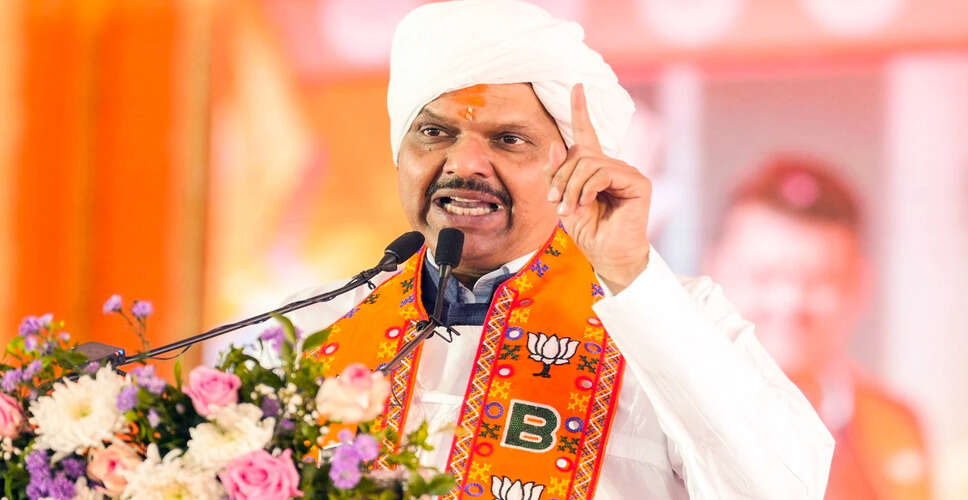
A Decade of Change in Mumbai
Over the past ten years, Mumbai has undergone a remarkable transformation. Significant investments in infrastructure, housing, and public services have established the city as a modern global hub. Under the leadership of Chief Minister Devendra Fadnavis, the 'Mumbai Transformation' vision aims to alleviate traffic congestion and position Mumbai as a leading financial center worldwide.
Connectivity: The Backbone of Development
The master plan for Mumbai has prioritized transportation. Projects that had been stalled for decades have not only received approval but have also been completed on schedule.
Atal Setu (MTHL): This 21.8-kilometer sea bridge connects South Mumbai to Navi Mumbai, facilitating easier travel to Pune and Goa while opening new avenues for trade.
Coastal Road: This road along Mumbai's western coast has significantly reduced travel time from South Mumbai to the suburbs, leading to fuel savings and reduced pollution.
Metro Network: The expansion of metro lines, including the Colaba-Bandra-SEEPZ line (Line 3), has eased the pressure on local trains, making journeys more comfortable for millions of commuters.
Economic Vision and Global Recognition
Beyond just roads, efforts have been made to strengthen Mumbai's economic landscape.
Navi Mumbai International Airport: This project is set to create new job opportunities in Raigad and Navi Mumbai, catering to the increasing air traffic.
Fintech Hub: Incentives for digital infrastructure and data centers have attracted major foreign companies to Mumbai.
A Slum-Free Mumbai and Urban Reforms
To ensure that the benefits of development reach all segments of society, the government has taken several historic steps.
Dharavi Redevelopment: The redevelopment of Dharavi, one of the world's largest slums, aims to provide residents with legal housing and improved amenities.
Revitalization of BDD Chawls: Old chawls are being transformed into modern flats for middle-class families.
Water Transport: The introduction of water taxis and ferry services has made it easier to reach Navi Mumbai and Alibaug.
Accelerated Progress through the 'War Room'
To ensure timely completion of major projects, the Fadnavis government established a 'Chief Minister's War Room.' This initiative has expedited land acquisition and resolved environmental hurdles, enhancing project momentum. With a focus on sustainability, the fleet of electric buses has been expanded, and investments in sewage treatment plants have been made.
Today, Mumbai appears more connected and efficient compared to a decade ago. Projects like Atal Setu, Coastal Road, and the metro have transformed the city's identity, prompting other states to study Mumbai's development model.